Email: Info@thrivebeyondtraumacounseling.com
Call: (248) 392-3733 | Fax: (657) 439-3825
Thrive Beyond Trauma
Counseling
Building Safety, Connection, and Healthy Relationship Habits
Trauma-Informed Couples Therapy in Farmington Hills
Available in-person and virtually across Michigan.
Most couples don’t come to therapy because they don’t love each other.
They come because stress, miscommunication, unmet needs, or unresolved patterns have slowly eroded emotional safety.
Arguments repeat
Distance grows
Repair stops happening
To slow these patterns down and rebuild connection.
*Relationship distress is a signal: Not a failure.*
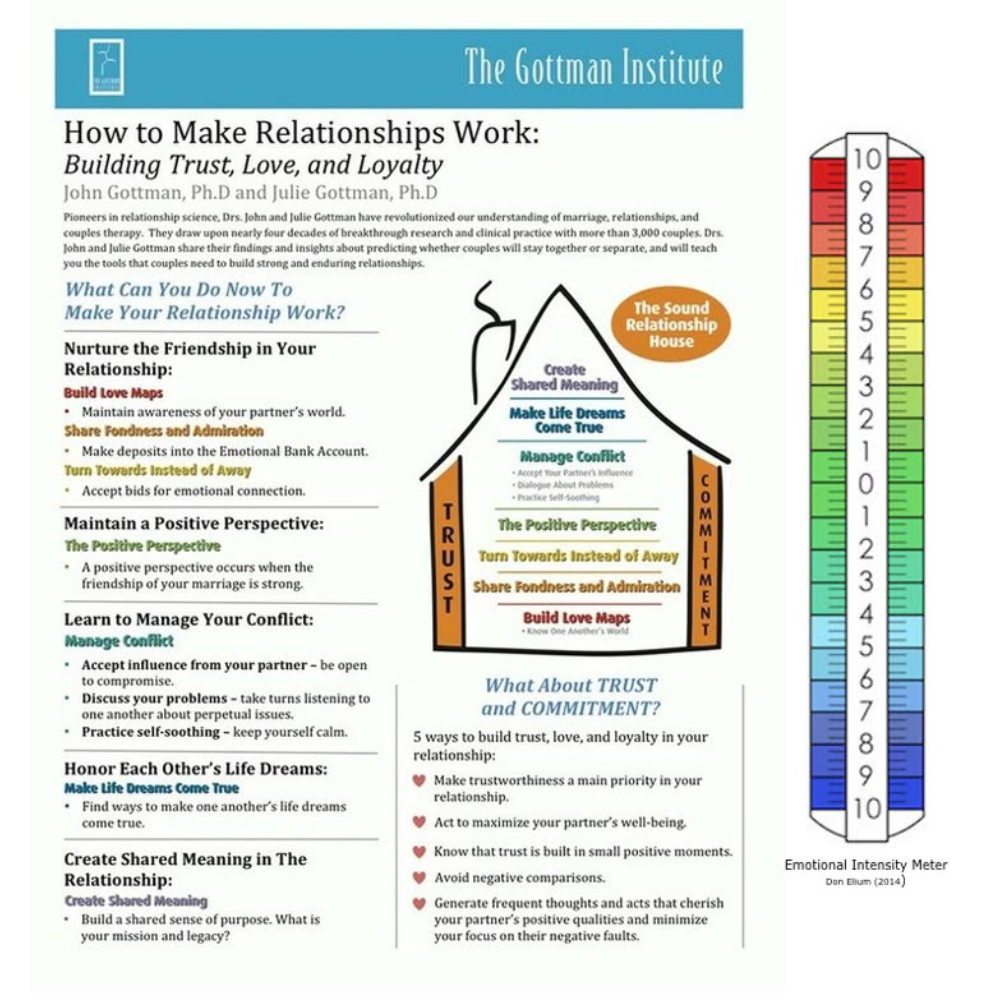
Couples therapy at Thrive integrates evidence-based
and trauma-informed approaches, including:
This integration allows couples to build practical skills while also addressing emotional reactivity, attachment needs, and stress responses.
*Effective couples therapy blends research, attachment, and regulation.*
Couples therapy at Thrive focuses on the relationship system rather than individual blame.
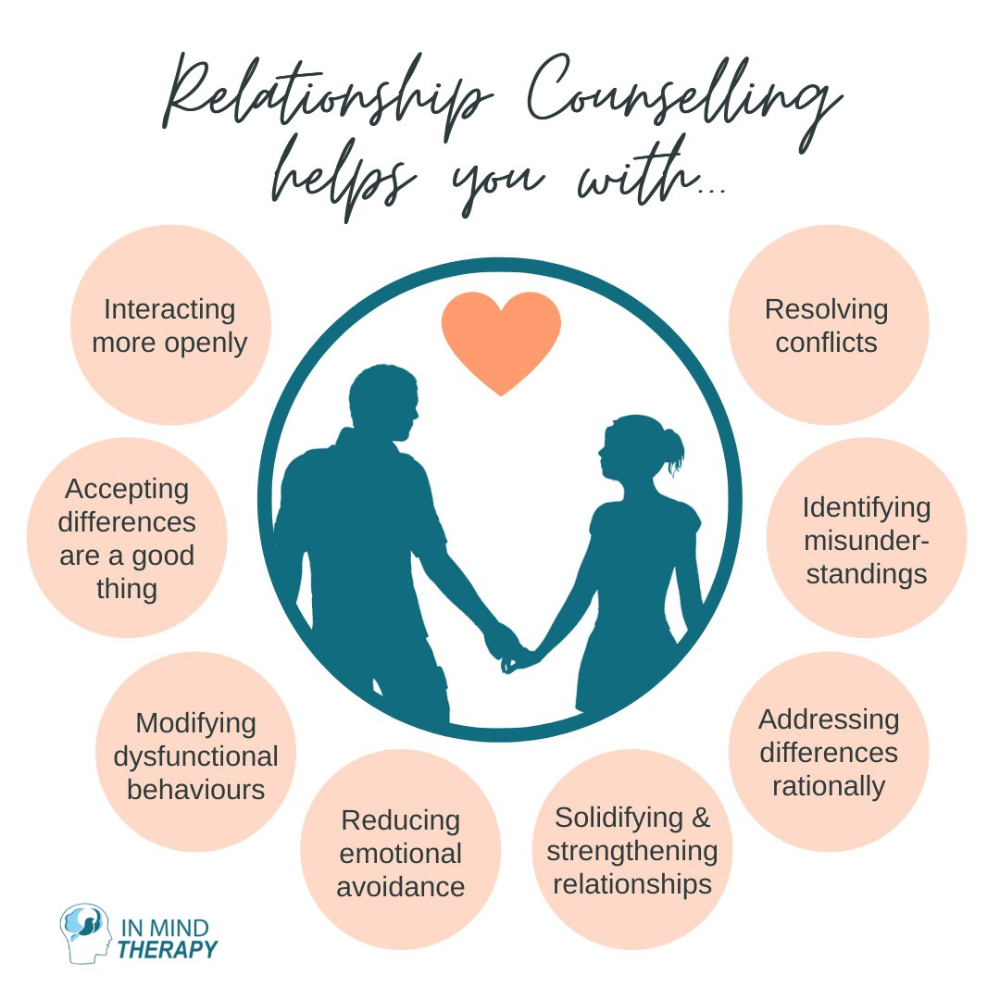
This work supports couples in:
Its to help your relationship feel safer and to work more effectively.
*Couples therapy treats the relationship, not the individuals.*
Couples therapy is right for you if:
You do not need to have everything figured out to begin.
*Support helps relationships grow stronger.*
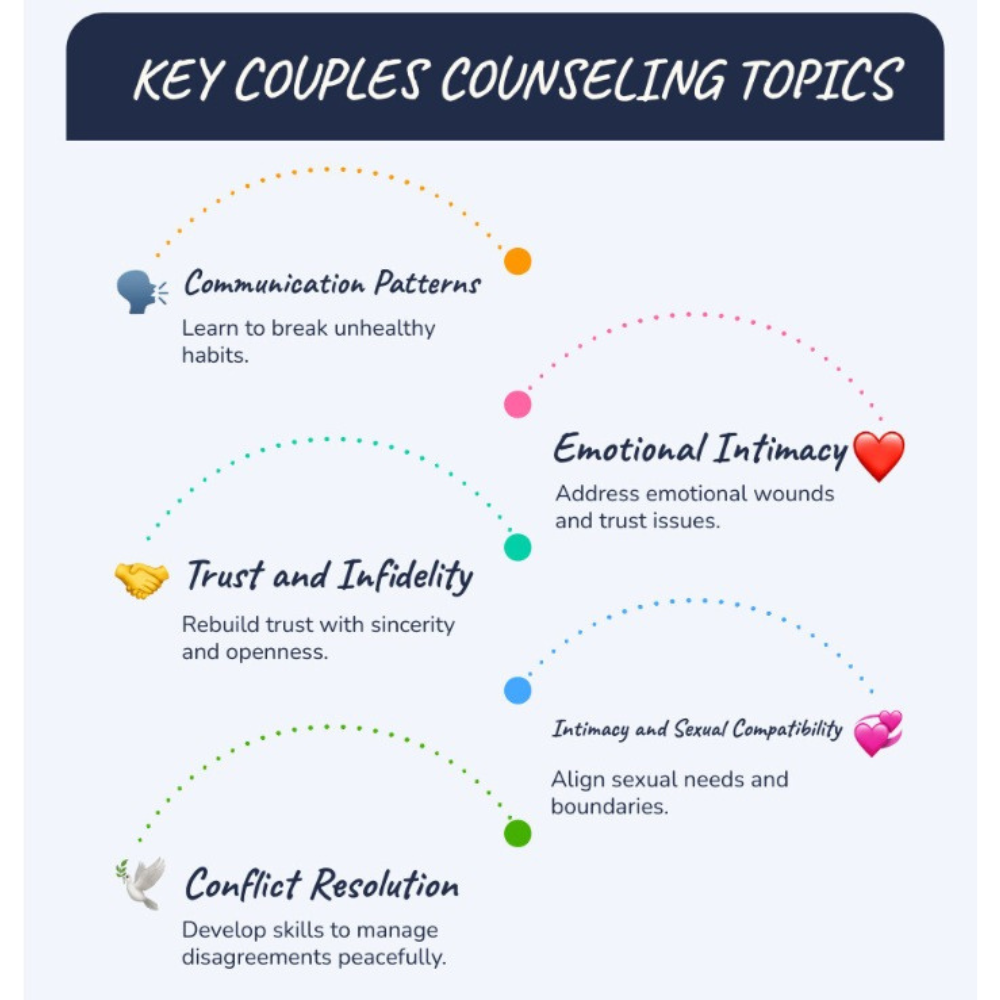
Couples may seek therapy when they are experiencing:
You do not need to be in crisis to begin couples therapy.
*Early support prevents deeper rupture.*
In couples therapy, partners learn to:
These skills support long-term stability, intimacy, and resilience.
*Connection grows through practiced repair.*
Stress and unresolved trauma can significantly impact how couples relate.
In therapy, we recognize that:
This keeps hard conversations tolerable.
*Regulation comes before repair.*
Both partners need to be able to engage.
A different starting point is often needed when there is:
If couples therapy begins too soon.
*Timing matters in relational healing.*
Couples therapy can support trust repair when infidelity is not addiction-based.
This work focuses on:
Couples healing after betrayal offers a structured, trauma-specific path.
*Different betrayals require different care.*
Couples therapy may be used alongside or followed by:
Related Couples Services
You are not broken.
Healing begins with a single step; Reaching out.
When you’re ready, we’re here
If you are in crisis or experiencing an emergency, please call 911 or your local emergency services, or visit the nearest emergency room.
Thrive Beyond Trauma Counseling does not provide crisis or emergency services.