Parent-Child Attachment Theory

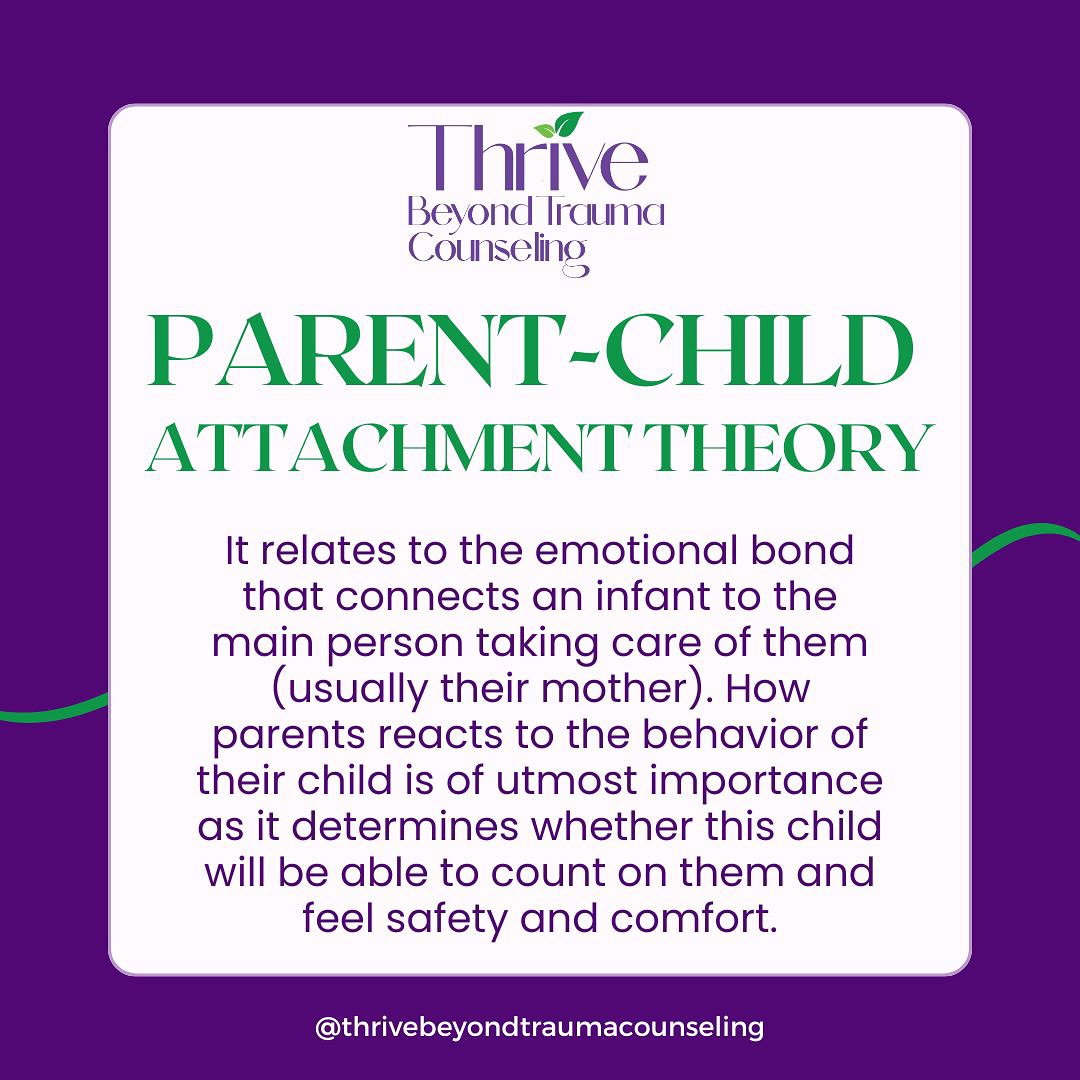
Parent-Child Attachment Theory relates to the emotional bond that connects an infant to the main person taking care of them—usually their mother. How a parent reacts to the behavior of their child is of utmost importance, as it determines whether this child will be able to count on them and ultimately feel safety and comfort. Attachment is not just a simple connection; it is a complex, formative experience that shapes how we view ourselves and our relationships for the rest of our lives. Depending on the consistency and sensitivity of the caregiver, children develop different attachment styles.

The Four Attachment Styles

  • Secure Attachment
  • Ambivalent Attachment
  • Avoidant Attachment
  • Disorganized Attachment

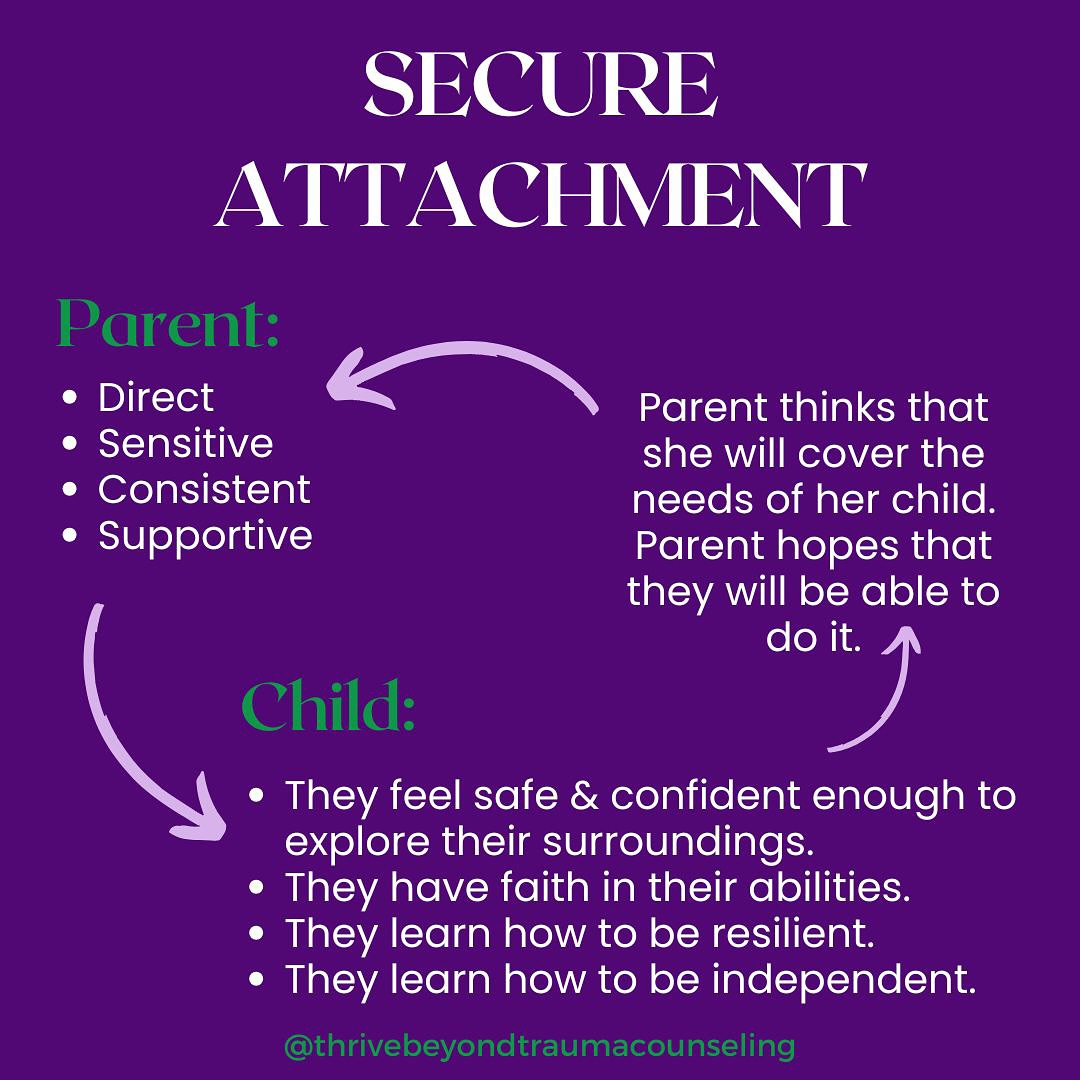
Secure Attachment

In a secure attachment, the parent is direct, sensitive, consistent, and supportive. The parent believes they can meet the needs of their child and feels confident in doing so.

  • Child’s Outcome: They feel safe and confident enough to explore their surroundings, have faith in their abilities, learn how to be resilient, and develop independence.

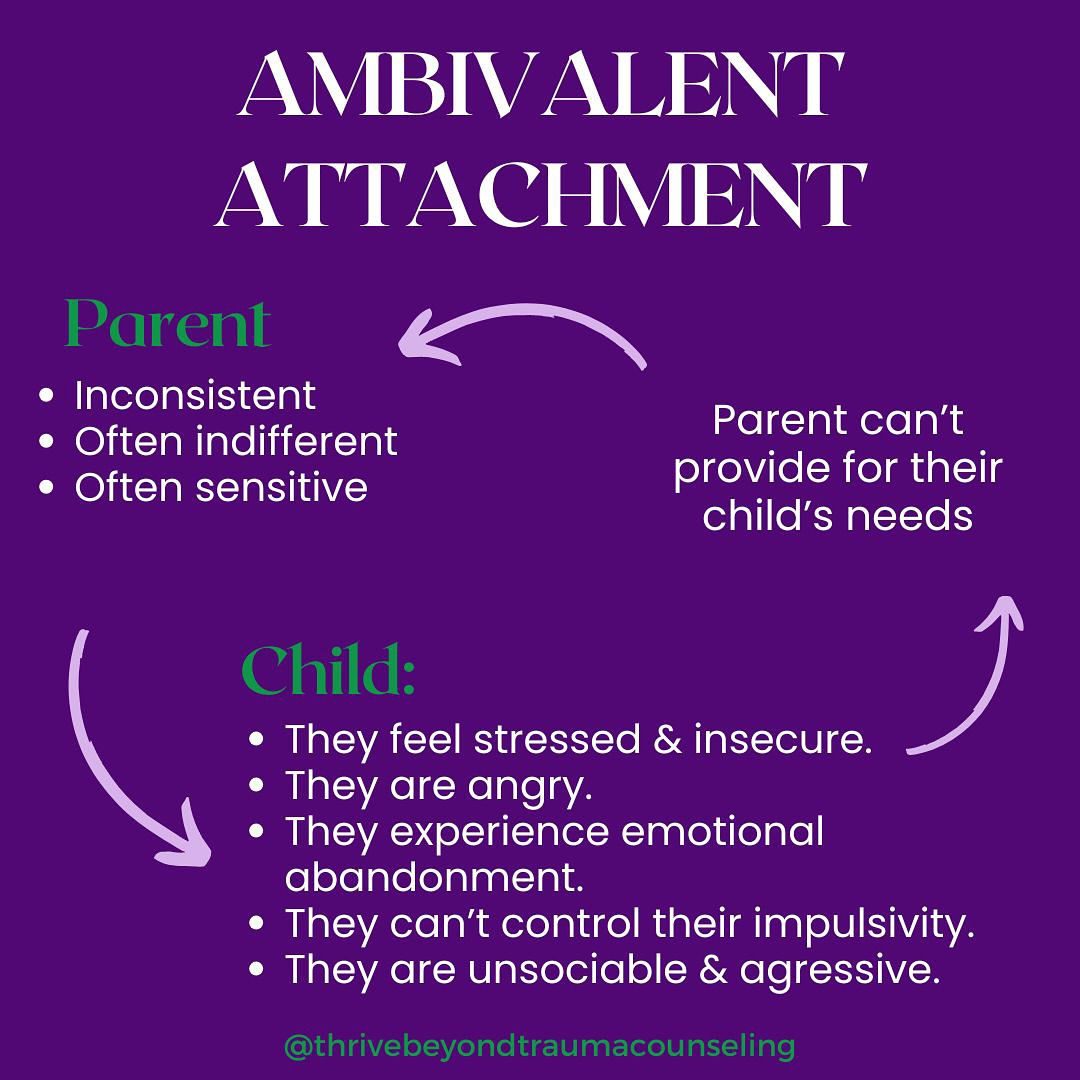
Ambivalent Attachment

In this dynamic, the parent is often inconsistent or indifferent, even if they are sometimes sensitive. The parent struggles to provide consistently for their child’s needs.

  • Child’s Outcome: They feel stressed, insecure, and angry. They often experience emotional abandonment and may struggle to control impulsivity, frequently appearing unsociable or aggressive.

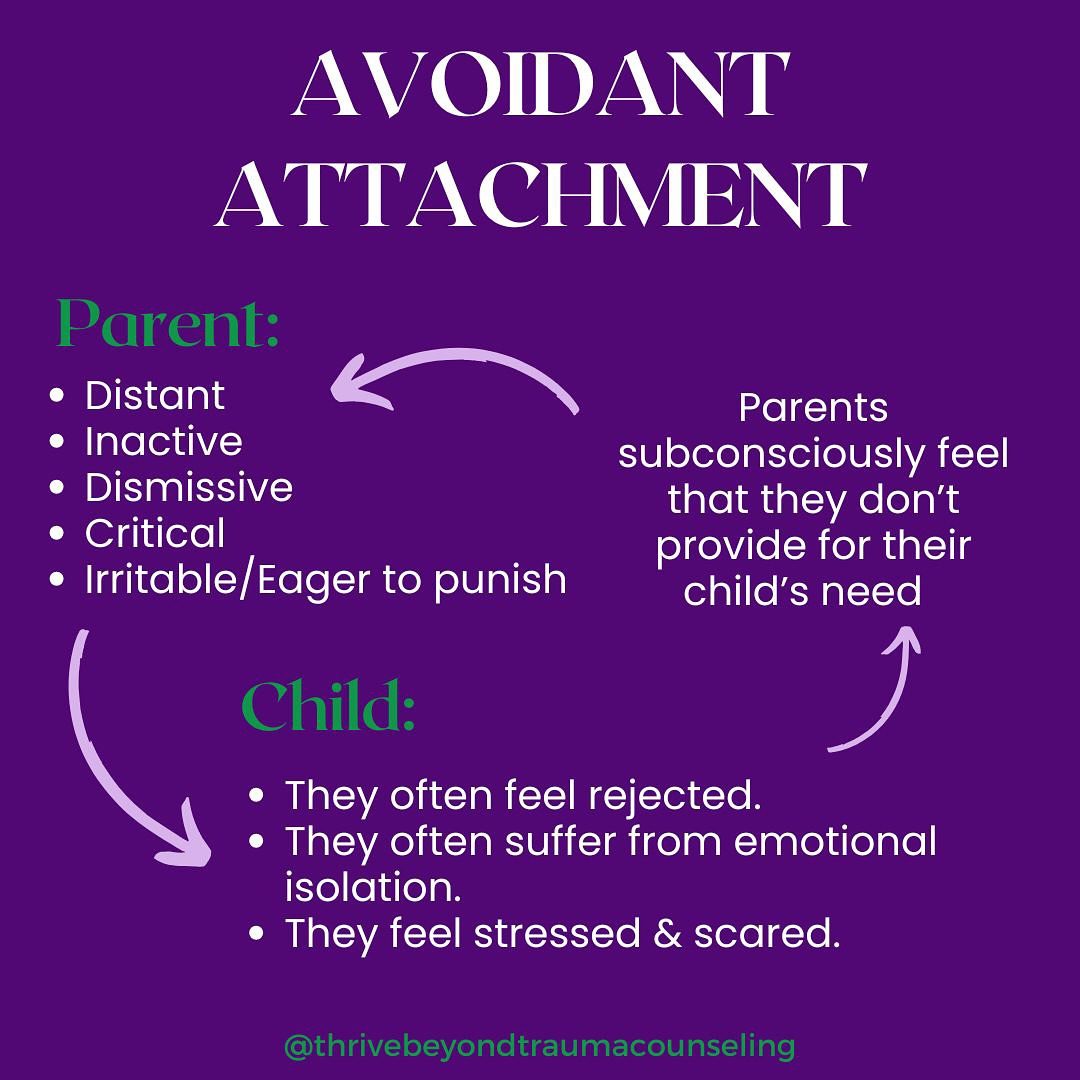
Avoidant Attachment

An avoidant attachment occurs when the parent is distant, inactive, dismissive, critical, or irritable. These parents may subconsciously feel that they cannot or do not provide for their child’s needs.

  • Child’s Outcome: They often feel rejected, suffer from emotional isolation, and frequently feel stressed and scared.

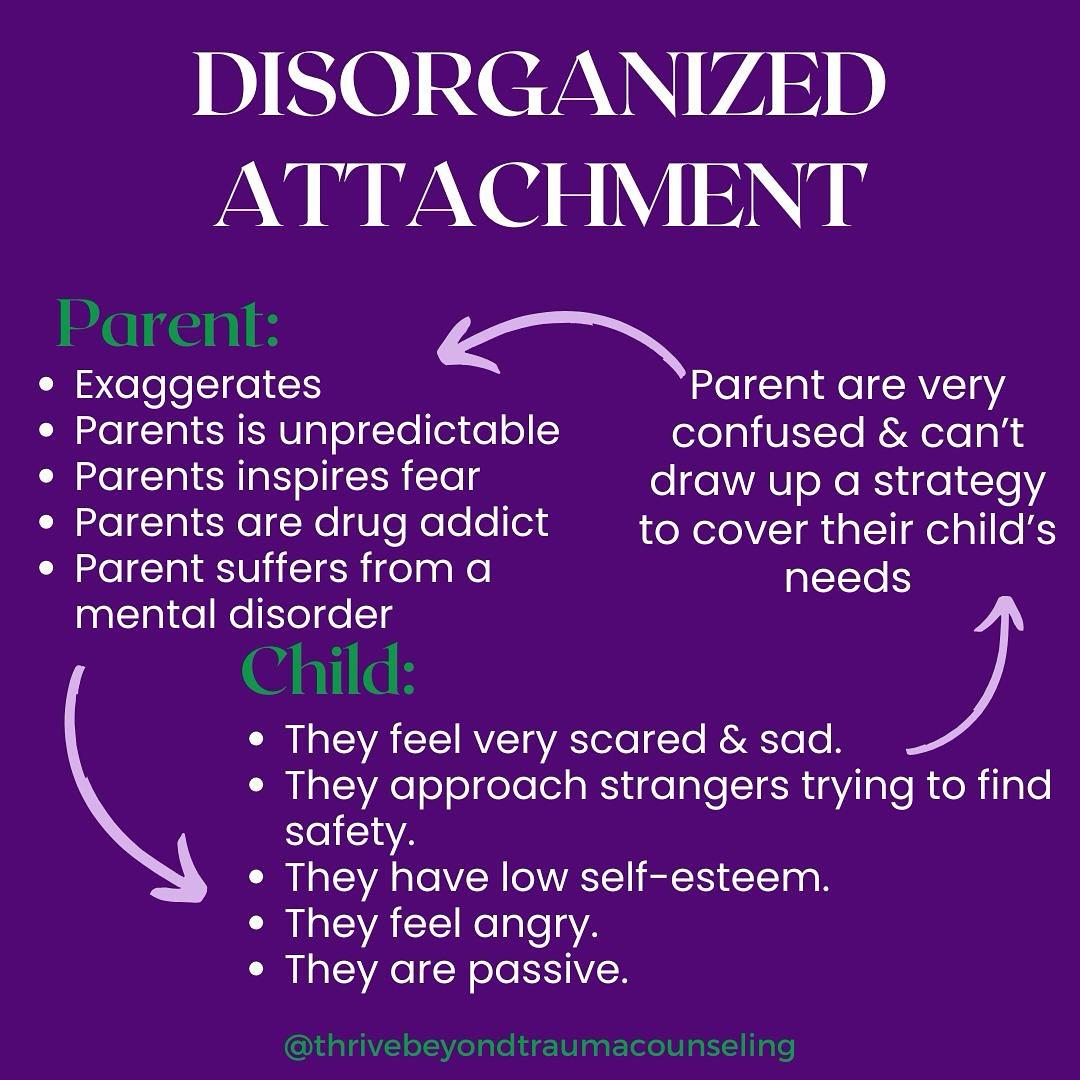
Disorganized Attachment

This is the most complex style, often arising when the parent is unpredictable, inspires fear, or is struggling with drug addiction or a mental disorder. The parent is often very confused and unable to draw up a strategy to cover their child’s needs.

  • Child’s Outcome: They feel very scared and sad. They may approach strangers in an attempt to find safety, have low self-esteem, feel angry, and often appear passive.

At Thrive Beyond Trauma Counseling, we understand that these early attachment patterns create the blueprint for our adult lives. If you are struggling with relationship patterns that seem rooted in your past, or if you want to break the cycle for your own children, our trauma-informed therapists are here to guide you. Contact us today to begin your journey toward healing, understanding, and secure connection.

Address: Suite C, 37923 W. 12 Mile Rd, Farmington Hills, MI

Phone: (248) 392-3733

FOLLOW US ON

If you are in crisis or experiencing an emergency, please call 911 or your local emergency services, or visit the nearest emergency room.

Thrive Beyond Trauma Counseling does not provide crisis or emergency services.

Scroll to top