Understanding the Full Picture of PTSD

Trauma changes a person in ways that are often invisible to the outside world. When we talk about PTSD (Post-Traumatic Stress Disorder), it is easy to fall back on stereotypes or simplified ideas about what it means to be “affected” by a past event. However, true healing and support begin when we move beyond these surface-level perceptions and start to understand the complex, multi-layered reality of what trauma actually does to the mind and body.

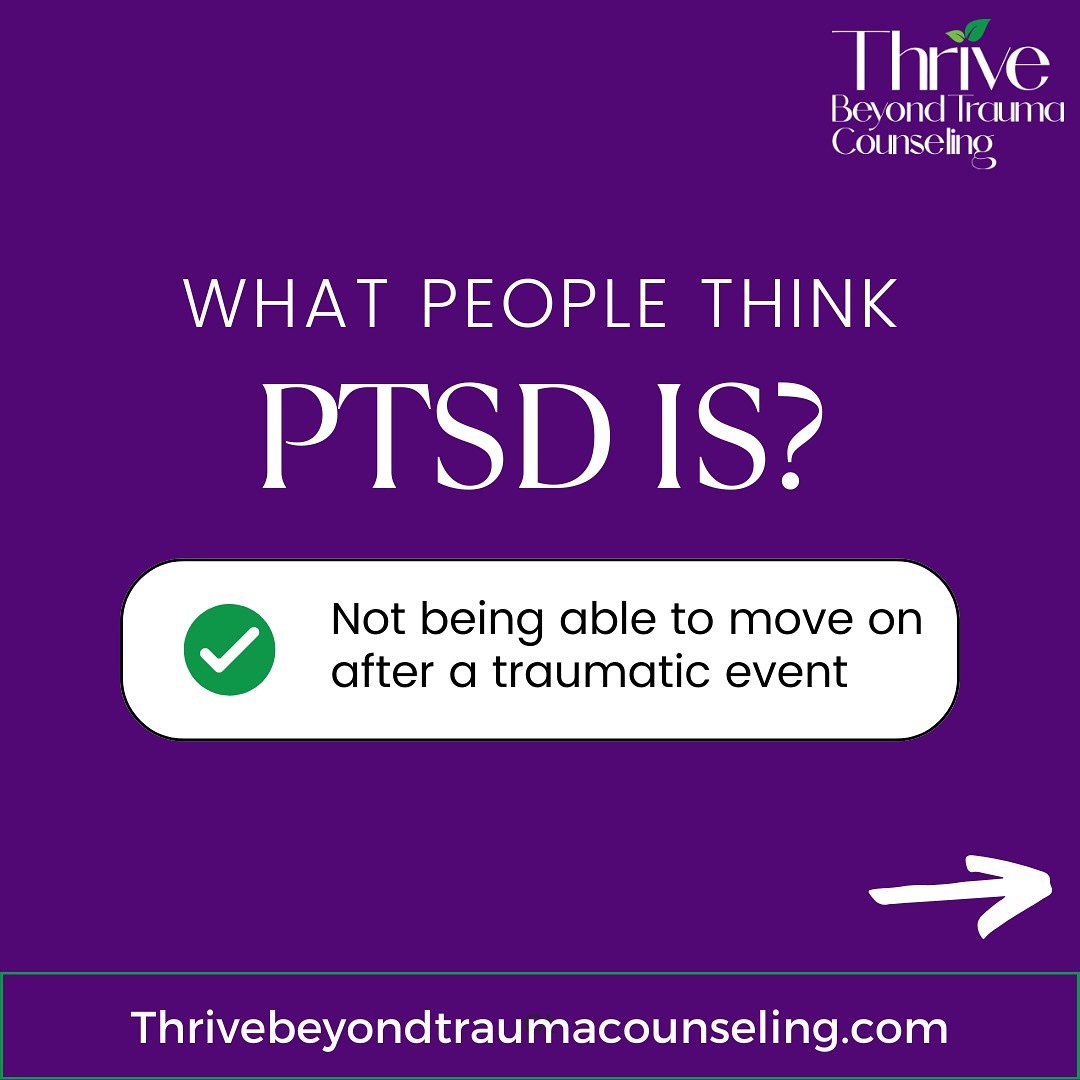
What People Think PTSD Is

Often, when someone hears the term PTSD, they might jump to a singular, limiting definition. A common misconception in society is that PTSD is simply “not being able to move on after a traumatic event.” This perspective frames trauma as a choice or a lack of willpower, suggesting that if someone just tried harder, they could simply “get over” their experiences. This myth is not only inaccurate: it can be incredibly isolating for those struggling, as it ignores the deep physiological and neurological impact that trauma has on the brain.

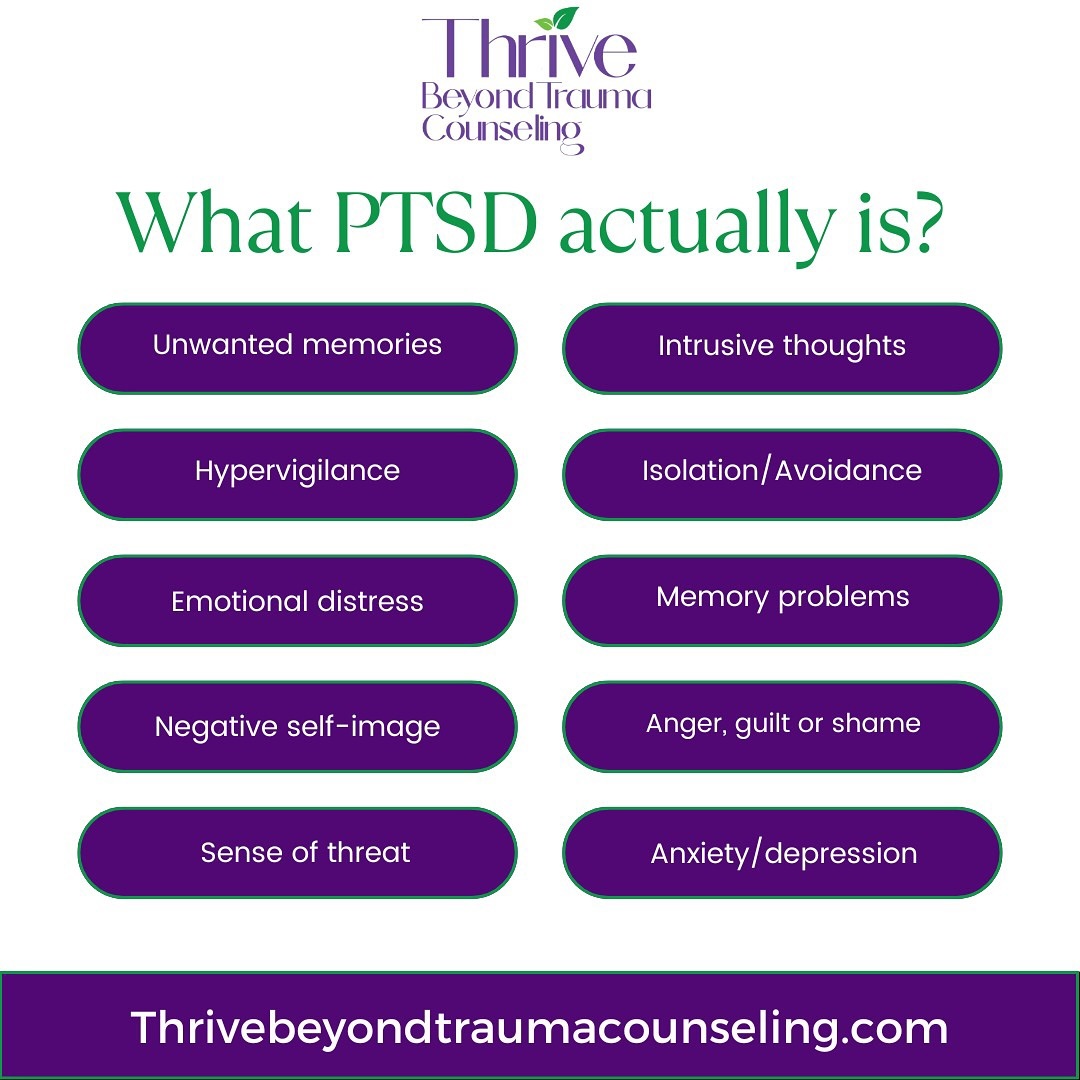
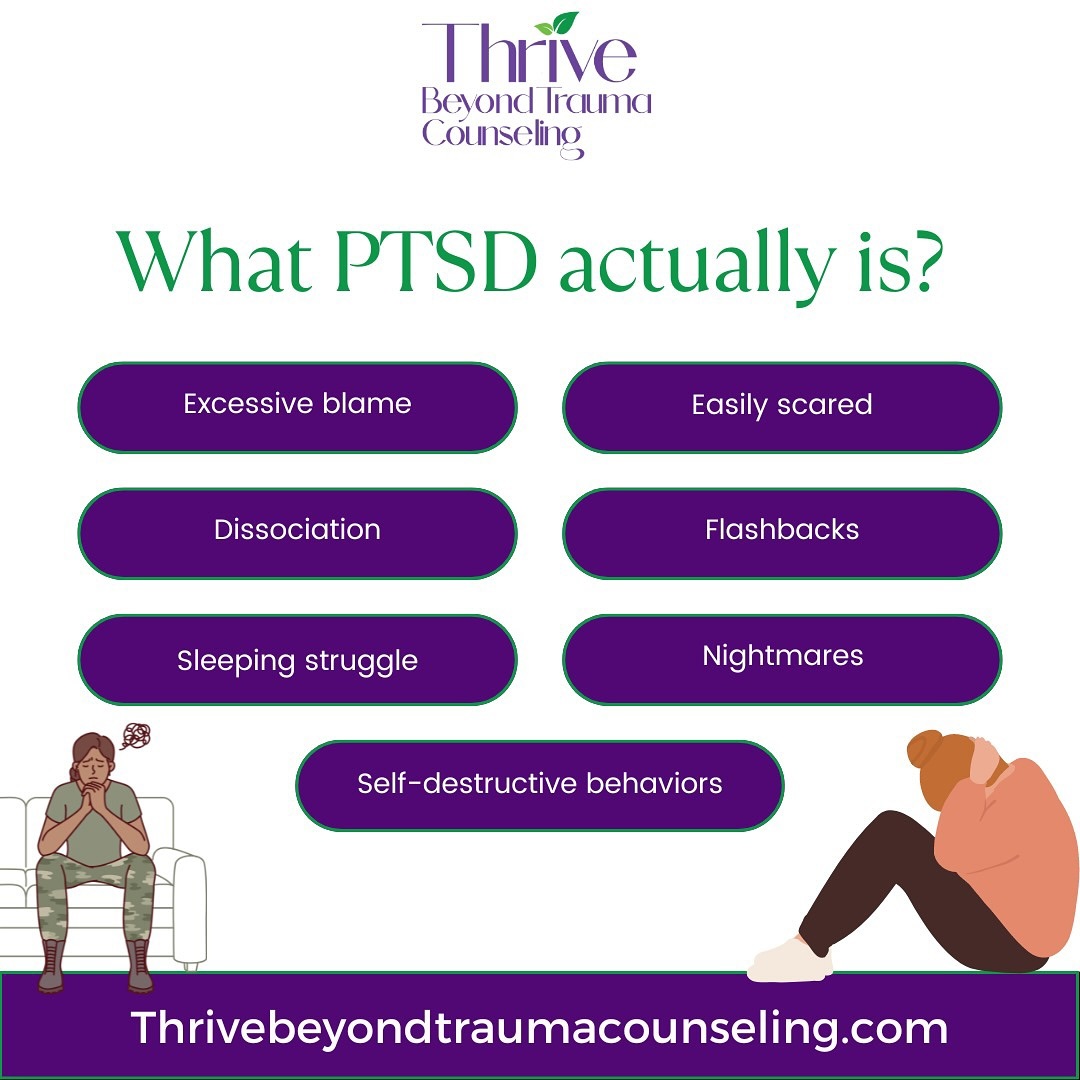
What PTSD Actually Is

In reality, PTSD is a complex condition that manifests in a wide array of cognitive, emotional, and behavioral symptoms. It is not about a failure to “move on”; it is about a nervous system that has been rewired to protect itself, often keeping a person trapped in a state of survival.

The reality of PTSD includes-

  • Intrusive Experiences: Unwanted memories, recurring flashbacks, and persistent, intrusive thoughts that make it feel like the trauma is happening all over again.
  • Emotional & Mental Toll: Pervasive anxiety, depression, a deep sense of threat, and feelings of anger, guilt, or shame.
  • Physical & Behavioral Impacts: Struggles with sleep and nightmares, self-destructive behaviors, and a constant, exhausting sense of hypervigilance (always being on guard).
  • Self-Perception & Social Struggles: Negative self-image, memory problems, dissociation, and the tendency to isolate or avoid people and places as a way to cope.

These are not signs of weakness; they are the natural responses of a human being who has been through something overwhelming.

At Thrive Beyond Trauma Counseling, we believe that you deserve to live a life defined by your future, not your past. We provide a safe, compassionate space to help you untangle these symptoms, rebuild your sense of self, and reclaim your peace of mind. You don’t have to navigate this journey alone.

Address: Suite C, 37923 W. 12 Mile Rd, Farmington Hills, MI

Phone: (248) 392-3733

FOLLOW US ON

If you are in crisis or experiencing an emergency, please call 911 or your local emergency services, or visit the nearest emergency room.

Thrive Beyond Trauma Counseling does not provide crisis or emergency services.

Scroll to top