Trauma Responses Can Look Like

When we think of trauma, we often imagine the big, dramatic reactions: flashbacks, visible distress, or hyperventilation. But the reality is that the impact of trauma is much subtler and more persistent. It weaves itself into our daily behaviors, our relationships, and how we view the world, often going unnoticed. Recognizing these subtle signs is the first step toward healing. Your brain and body have learned to protect themselves in ways that might have once been helpful, but are now keeping you stuck in a cycle of stress and disconnect. Here are some common, yet often overlooked, ways trauma responses can manifest in your daily life.

Emotional and Relational Responses

Many of us don’t realize that behaviors we have adopted to cope are, in fact, responses to past trauma. It’s not just about what you feel, but also how you function. You might find yourself:

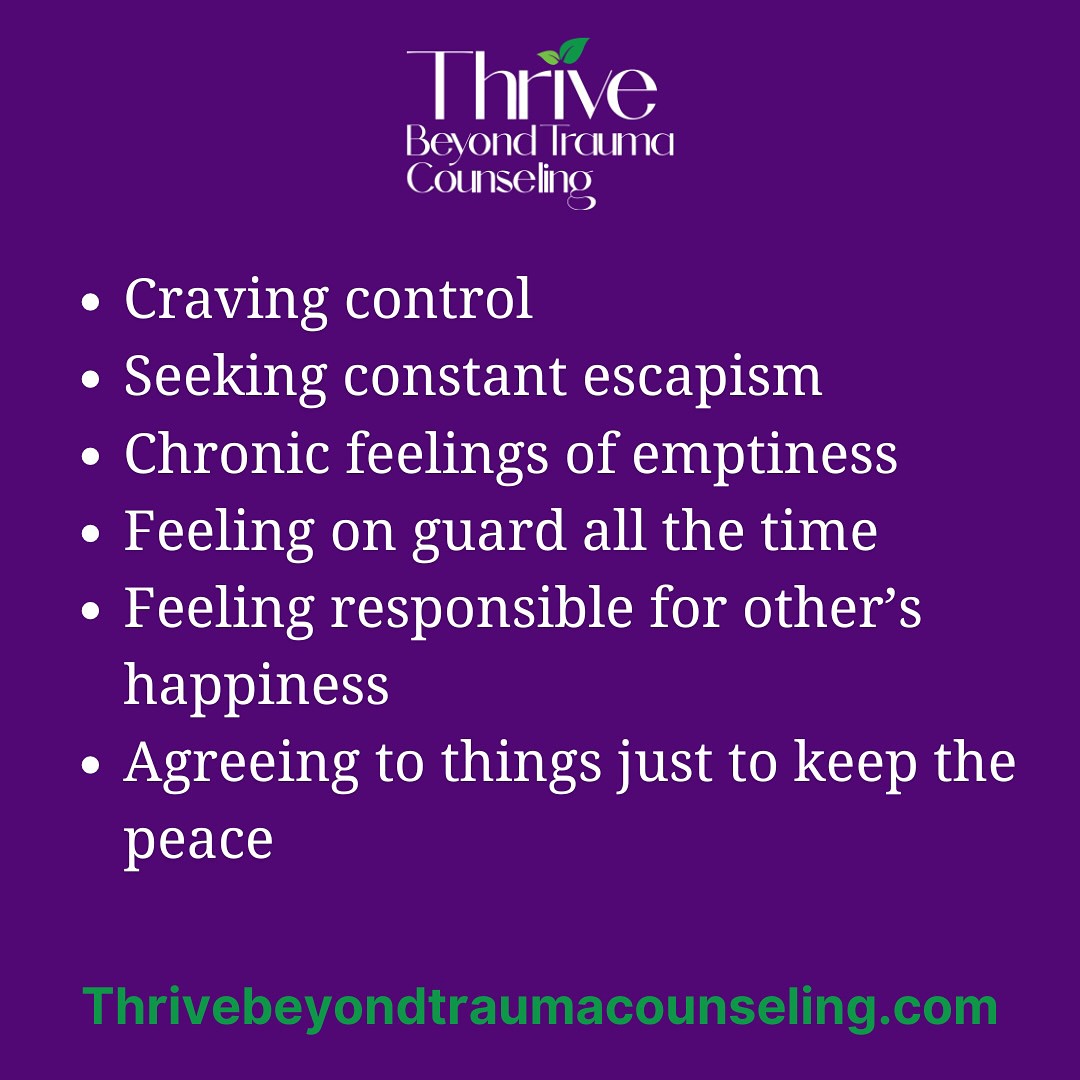
  • Craving control: When the world feels unsafe, control feels like security. You may need to have a tight grasp on your schedule, environment, and even other people’s actions to feel safe.
  • Seeking constant escapism: When the pain of the present is too much, our brain searches for ways to check out—through doom-scrolling, substances, busywork, or daydreaming.
  • Feeling chronic feelings of emptiness: This can feel like a deep, untouchable void that isn’t filled by relationships, hobbies, or achievements.
  • Feeling on guard all the time: Your nervous system is constantly scanning for the next threat, leaving you exhausted, jumpy, and unable to truly relax.
  • Feeling responsible for other’s happiness: You may feel an intense pressure to fix everyone else’s problems and manage their emotions, often at the cost of your own.
  • Agreeing to things just to keep the peace: This classic “fawn” response leads to saying “yes” to avoid any potential conflict, even when you want or need to say “no.”

Cognitive and Behavioral Responses

Trauma can also fundamentally reshape your beliefs about yourself and the world, affecting how you interact with everything and everyone around you. These responses can include:

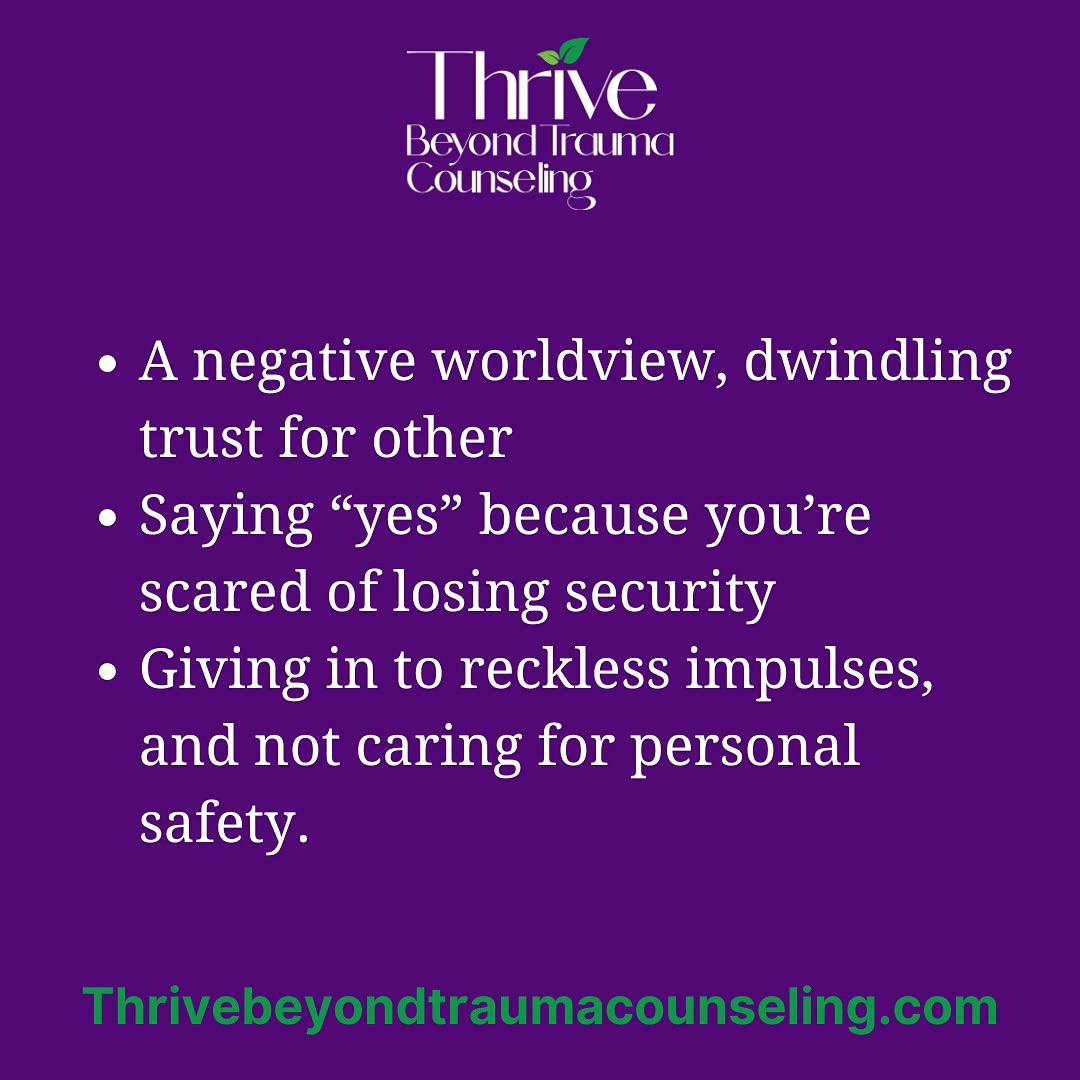
  • A negative worldview, dwindling trust for others: Trauma can solidify a belief that the world is inherently dangerous and that people, no matter how kind, are not to be trusted.
  • Saying “yes” because you’re scared of losing security: This differs from keeping the peace; it’s an acute fear that setting a boundary will result in abandonment, loss of a job, or being unsafe.
  • Giving in to reckless impulses, and not caring for personal safety: Sometimes, after enough pain, you may check out so completely that personal safety no longer feels like a priority, leading to a sense of “it doesn’t matter what happens to me.”

Take the Next Step Toward Healing

If you found yourself nodding along to these descriptions, know that you are not alone, and it’s not a defect in your character. These were once brilliant survival strategies, and they are also something you can unlearn. Healing from trauma means moving your nervous system from a state of constant survival into a state where you can truly thrive.

At Thrive Beyond Trauma Counseling, we understand that these patterns run deep. We are here to provide the compassionate, specialized support you need to navigate the healing process and rewrite your story. Ready to see how counseling can help you beyond survival? Connect with us today to learn more about our trauma-informed services.

Address: Suite C, 37923 W. 12 Mile Rd, Farmington Hills, MI

Phone: (248) 392-3733

FOLLOW US ON

If you are in crisis or experiencing an emergency, please call 911 or your local emergency services, or visit the nearest emergency room.

Thrive Beyond Trauma Counseling does not provide crisis or emergency services.

Scroll to top