Communication is the foundation of every relationship we build, yet we often operate on autopilot, using styles developed long ago. To foster healthier connections and improve our mental well-being, it is essential to first recognize how we communicate. At Thrive Beyond Trauma Counseling, we believe that understanding these patterns is the first step toward change. Below, we break down the four primary communication styles to help you identify your own.
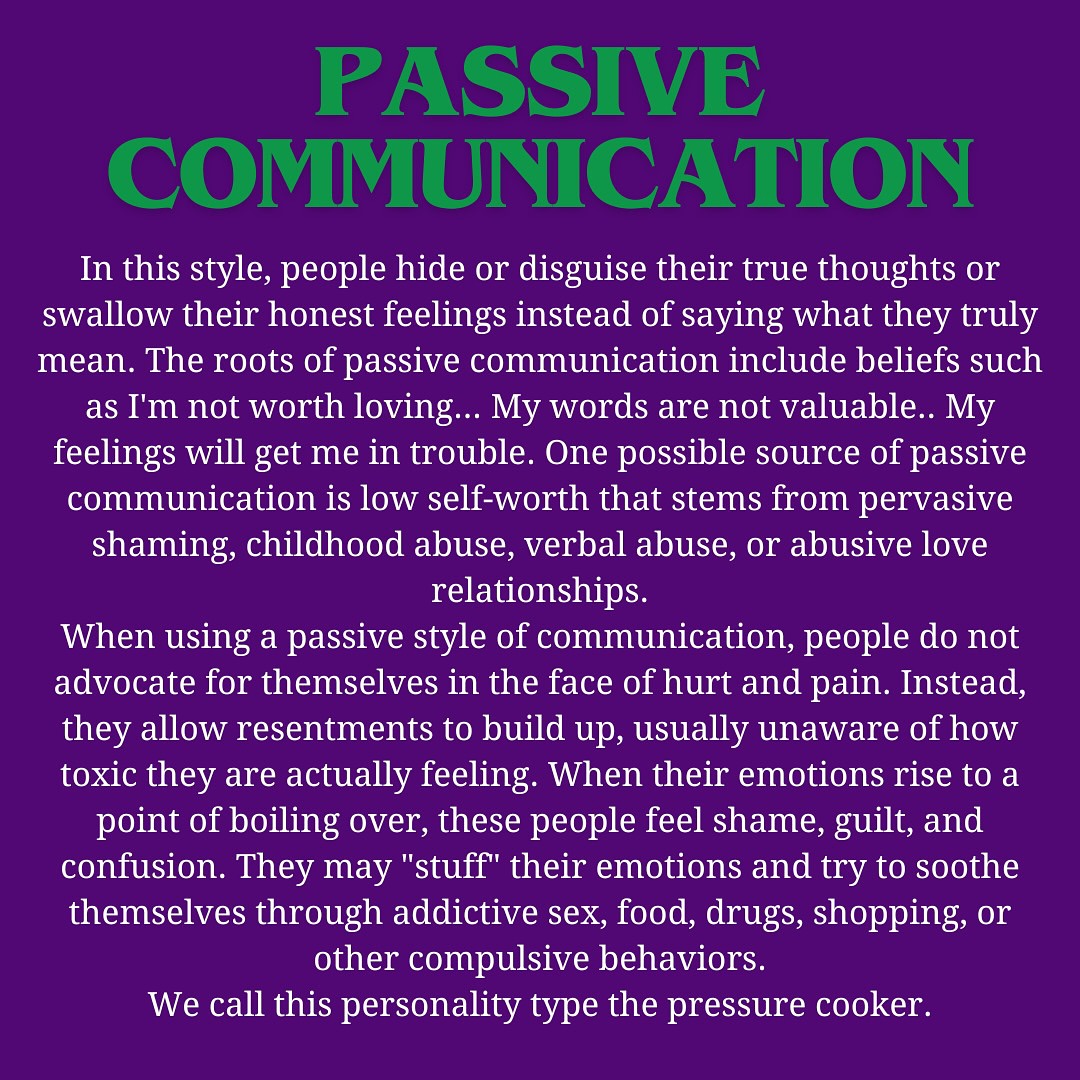
Passive Communication
In this style, people hide or disguise their true thoughts or swallow their honest feelings instead of saying what they truly mean. The roots of passive communication include beliefs such as I’m not worth loving… My words are not valuable… My feelings will get me in trouble. One possible source of passive communication is low self-worth that stems from pervasive shaming, childhood abuse, verbal abuse, or abusive love relationships. When using a passive style of communication, people do not advocate for themselves in the face of hurt and pain. Instead, they allow resentments to build up, usually unaware of how toxic they are actually feeling. When their emotions rise to a point of boiling over, these people feel shame, guilt, and confusion. They may “stuff” their emotions and try to soothe themselves through addictive sex, food, drugs, shopping, or other compulsive behaviors. We call this personality type the pressure cooker.
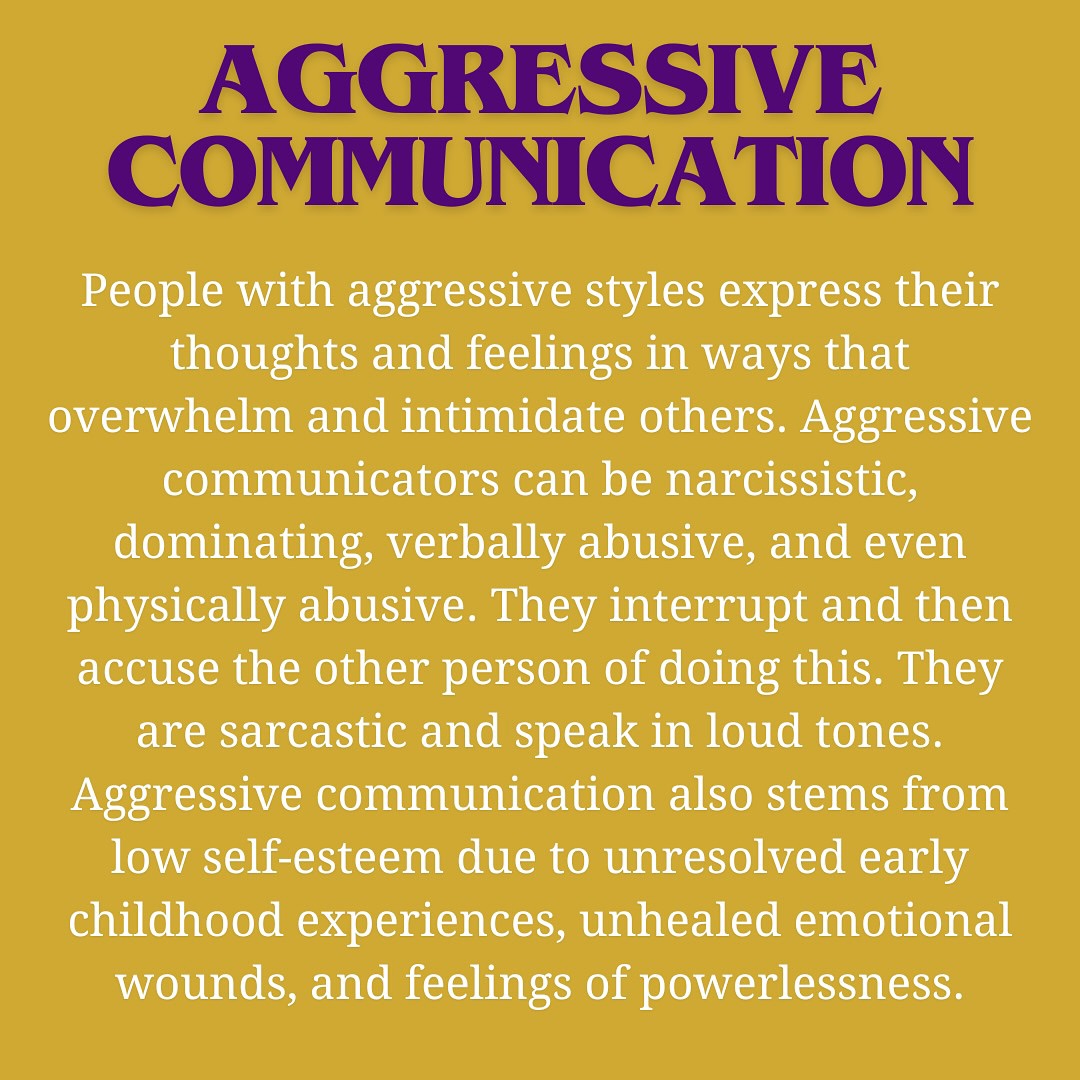
Aggressive Communication
People with aggressive styles express their thoughts and feelings in ways that overwhelm and intimidate others. Aggressive communicators can be narcissistic, dominating, verbally abusive, and even physically abusive. They interrupt and then accuse the other person of doing this. They are sarcastic and speak in loud tones. Aggressive communication also stems from low self-esteem due to unresolved early childhood experiences, unhealed emotional wounds, and feelings of powerlessness.
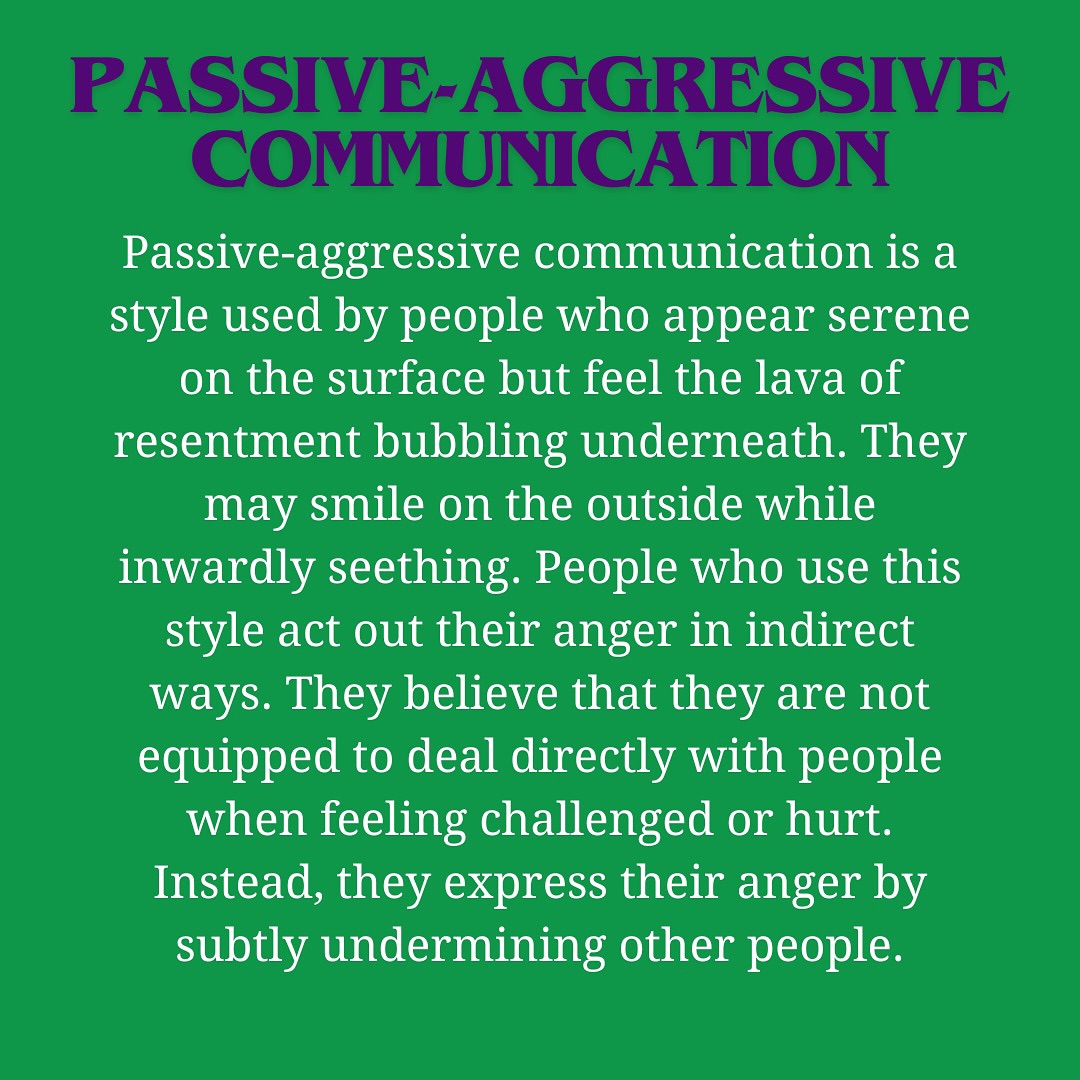
Passive-Aggressive Communication
Passive-aggressive communication is a style used by people who appear serene on the surface but feel the lava of resentment bubbling underneath. They may smile on the outside while inwardly seething. People who use this style act out their anger in indirect ways. They believe that they are not equipped to deal directly with people when feeling challenged or hurt. Instead, they express their anger by subtly undermining other people.
Assertive Communication
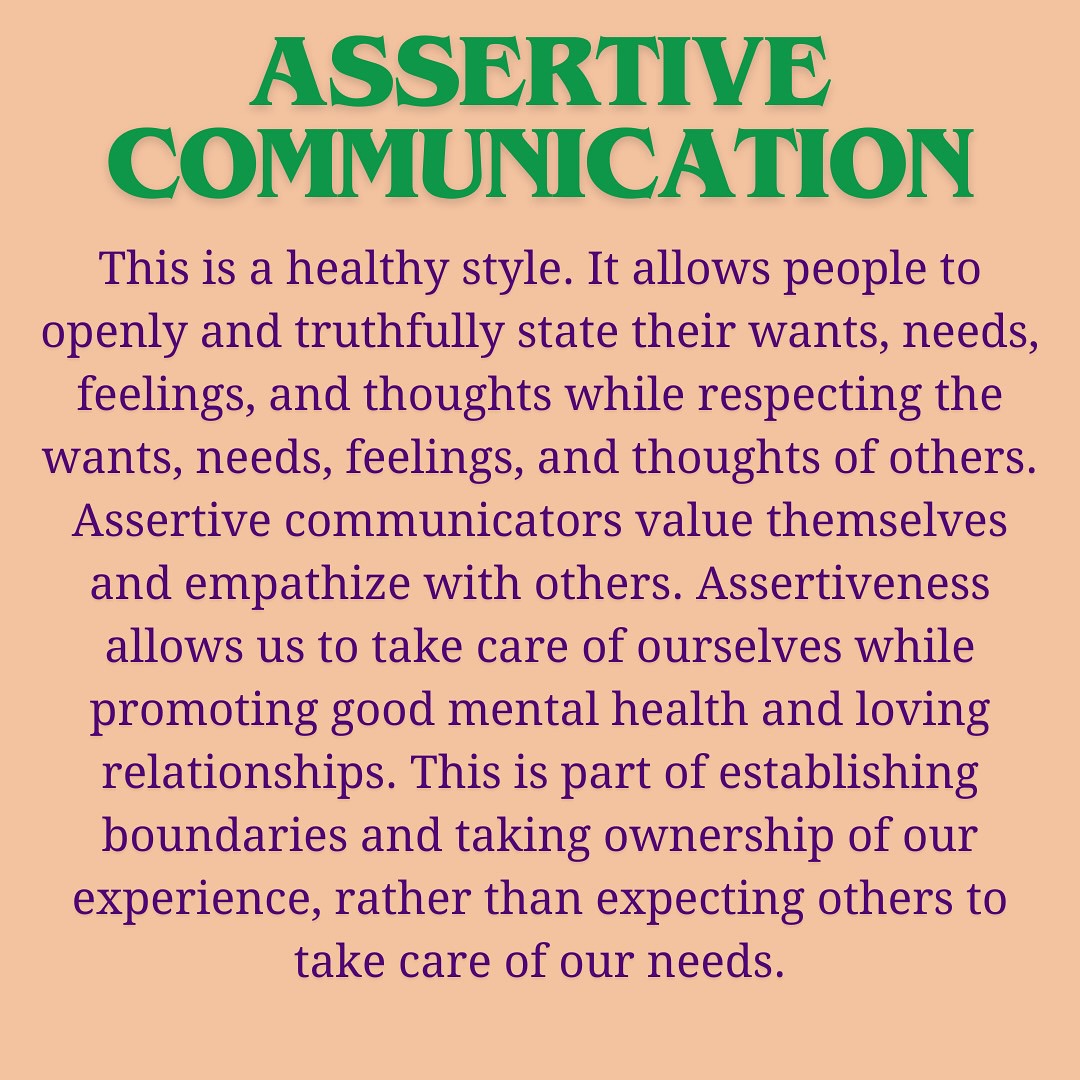
This is a healthy style. It allows people to openly and truthfully state their wants, needs, feelings, and thoughts while respecting the wants, needs, feelings, and thoughts of others. Assertive communicators value themselves and empathize with others. Assertiveness allows us to take care of ourselves while promoting good mental health and loving relationships. This is part of establishing boundaries and taking ownership of our experience, rather than expecting others to take care of our needs.
At Thrive Beyond Trauma Counseling, we understand that shifting your communication style takes time, patience, and professional support. If you recognize these patterns in yourself and are ready to heal the roots of these behaviors, we are here to walk that path with you.
Address: Suite C, 37923 W. 12 Mile Rd, Farmington Hills, MI
Phone: (248) 392-3733
If you are in crisis or experiencing an emergency, please call 911 or your local emergency services, or visit the nearest emergency room.
Thrive Beyond Trauma Counseling does not provide crisis or emergency services.