Understanding the 4 Pillars of Abuse

Relationships should be built on mutual respect, trust, and care. When these foundations are eroded, it can lead to harmful dynamics. At Thrive Beyond Trauma Counseling, we believe that education is the first step toward healing and clarity. It is important to understand the patterns that constitute unhealthy or abusive behavior. We have identified four key areas: often referred to as the “4 Pillars of Abuse”: that frequently appear in toxic relationship dynamics. Understanding these can help you recognize and name harmful behaviors.

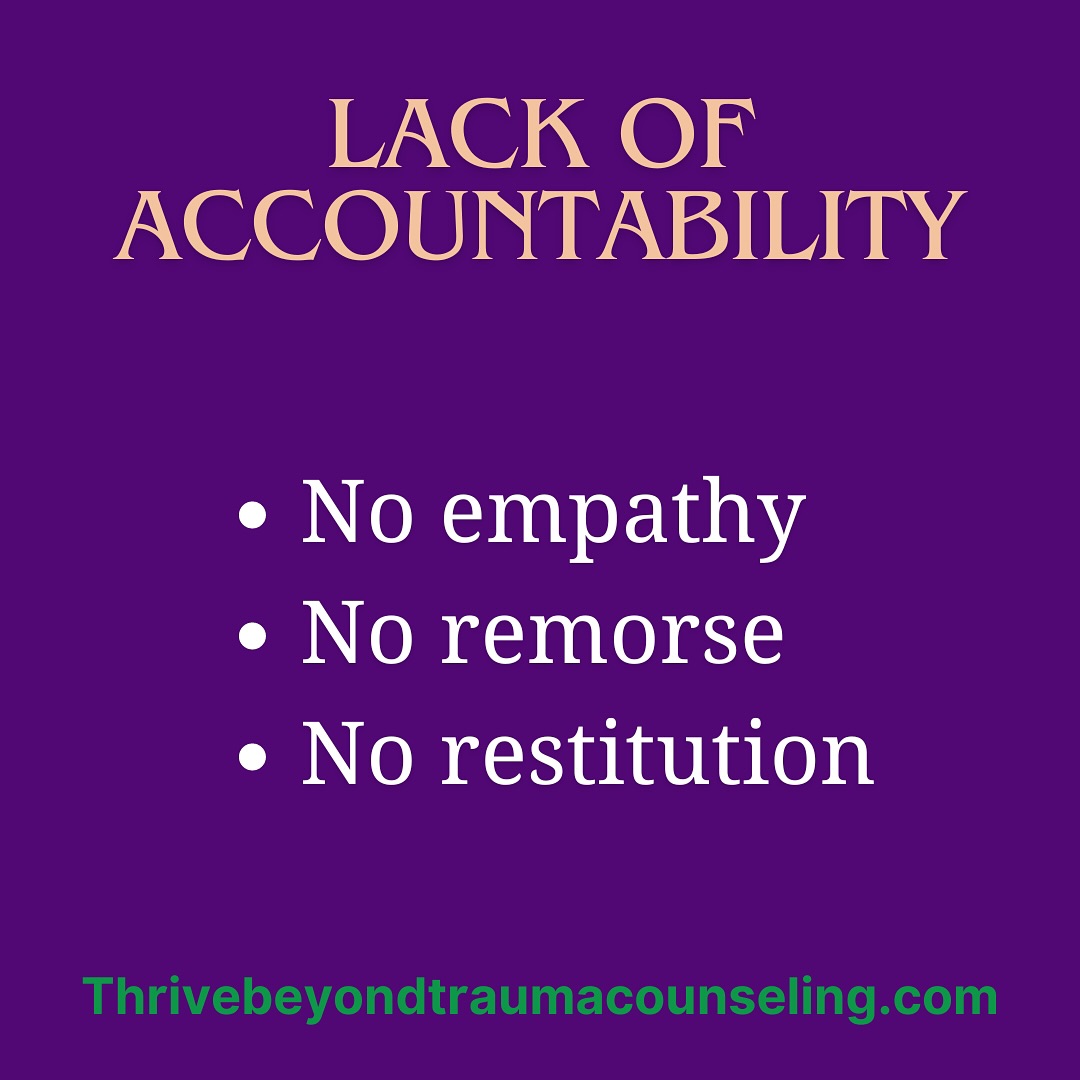
Lack of Accountability

Healthy relationships rely on the ability to own one’s actions, apologize sincerely, and make amends. A lack of accountability, conversely, is characterized by:

  • No empathy: An inability or unwillingness to understand or share the feelings of a partner.
  • No remorse: A lack of regret for causing pain or distress.
  • No restitution: A refusal to take meaningful steps to repair the harm caused by one’s actions.

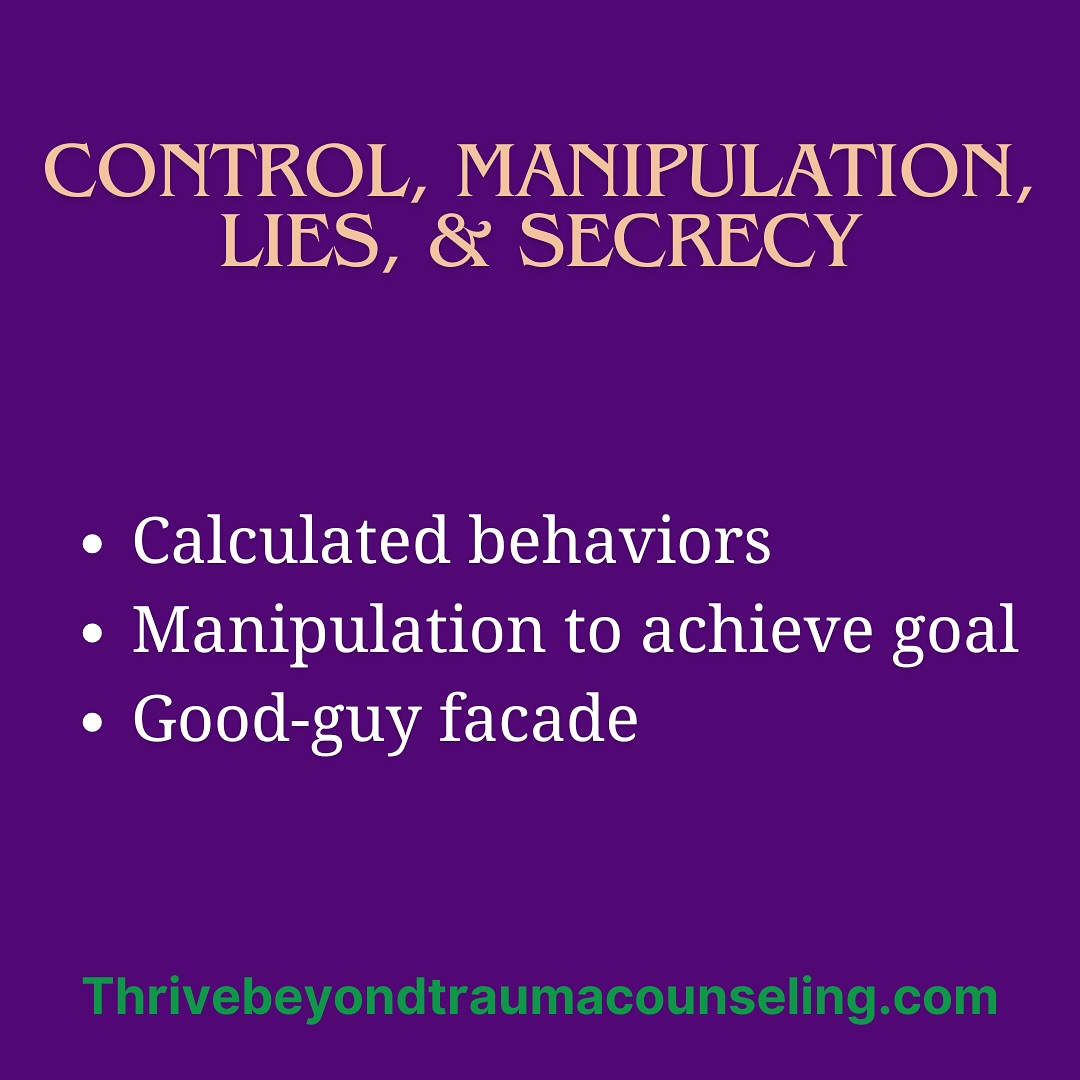
Control, Manipulation, Lies, & Secrecy

When a partner seeks power over the other rather than equality, they may employ tactics designed to maintain dominance. This pillar often involves:

  • Calculated behaviors: Actions that are planned rather than impulsive, used to achieve specific ends.
  • Manipulation to achieve goal: Strategically influencing a partner to bend to their will.
  • Good-guy facade: Maintaining a positive image for the outside world while the reality of the relationship remains different.

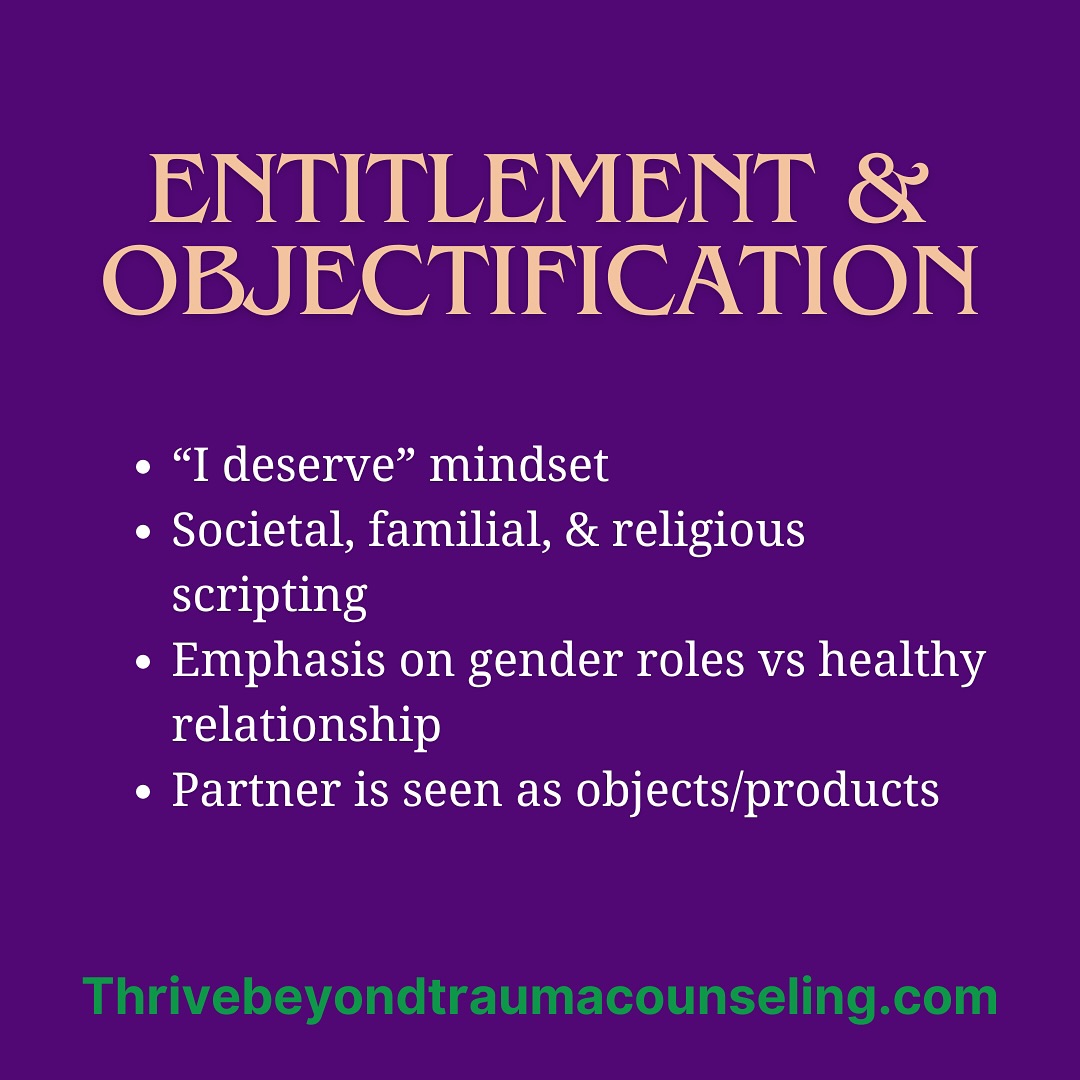
Entitlement & Objectification

This pillar stems from a distorted view of what a partner “owes” the other person. Key indicators include:

  • “I deserve” mindset: The belief that they are inherently entitled to special treatment, regardless of the impact on their partner.
  • Societal, familial, & religious scripting: Using outside norms or expectations to justify controlling or harmful behaviors.
  • Emphasis on gender roles vs healthy relationship: Prioritizing rigid expectations over the actual needs and health of the partnership.
  • Partner is seen as objects/products: Failing to see one’s partner as an autonomous individual with their own needs and boundaries.

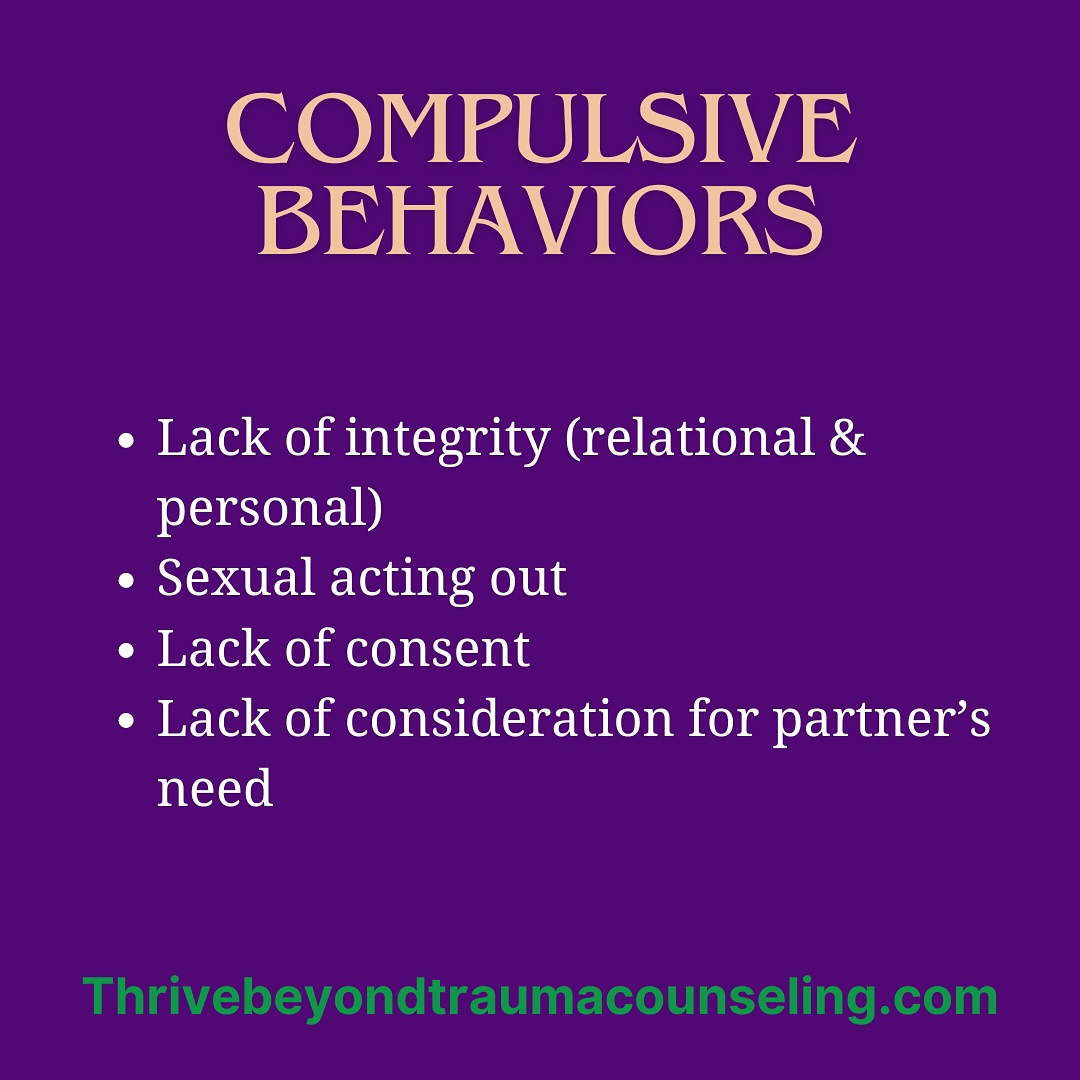
Compulsive Behaviors

When unhealthy patterns become ingrained, they often manifest as compulsive actions that disregard the wellbeing of the partner. This includes:

  • Lack of integrity (relational & personal): Consistently acting in ways that violate personal values or the trust of the relationship.
  • Sexual acting out: Engaging in sexual behaviors that are harmful, non-consensual, or secretive.
  • Lack of consent: Disregarding the boundaries and autonomy of the partner.
  • Lack of consideration for partner’s need: Making decisions and taking actions without regard for how they affect their partner.

At Thrive Beyond Trauma Counseling, we are here to support you in navigating these complex challenges. If you recognize these patterns in your own life and are ready to reclaim your sense of self and safety, please reach out to us and learn more about our services and how we can help you on your path to healing.

Address: Suite C, 37923 W. 12 Mile Rd, Farmington Hills, MI

Phone: (248) 392-3733

FOLLOW US ON

If you are in crisis or experiencing an emergency, please call 911 or your local emergency services, or visit the nearest emergency room.

Thrive Beyond Trauma Counseling does not provide crisis or emergency services.

Scroll to top