Email: Info@thrivebeyondtraumacounseling.com
Call: (248) 392-3733 | Fax: (657) 439-3825
Thrive Beyond Trauma
Counseling
Female Betrayal Trauma Therapy in Farmington Hills
Available in-person and virtually across Michigan.
Betrayal can hit your whole system.
your body may still react like it’s happening right now.
It shifts Neurologically
You are responding to a sudden collapse of emotional safety.
This page is for women experiencing partner betrayal trauma.
Whether you are:
Staying
Leaving
Don’t know yet.
*Your symptoms are trauma responses to the loss of emotional safety.*
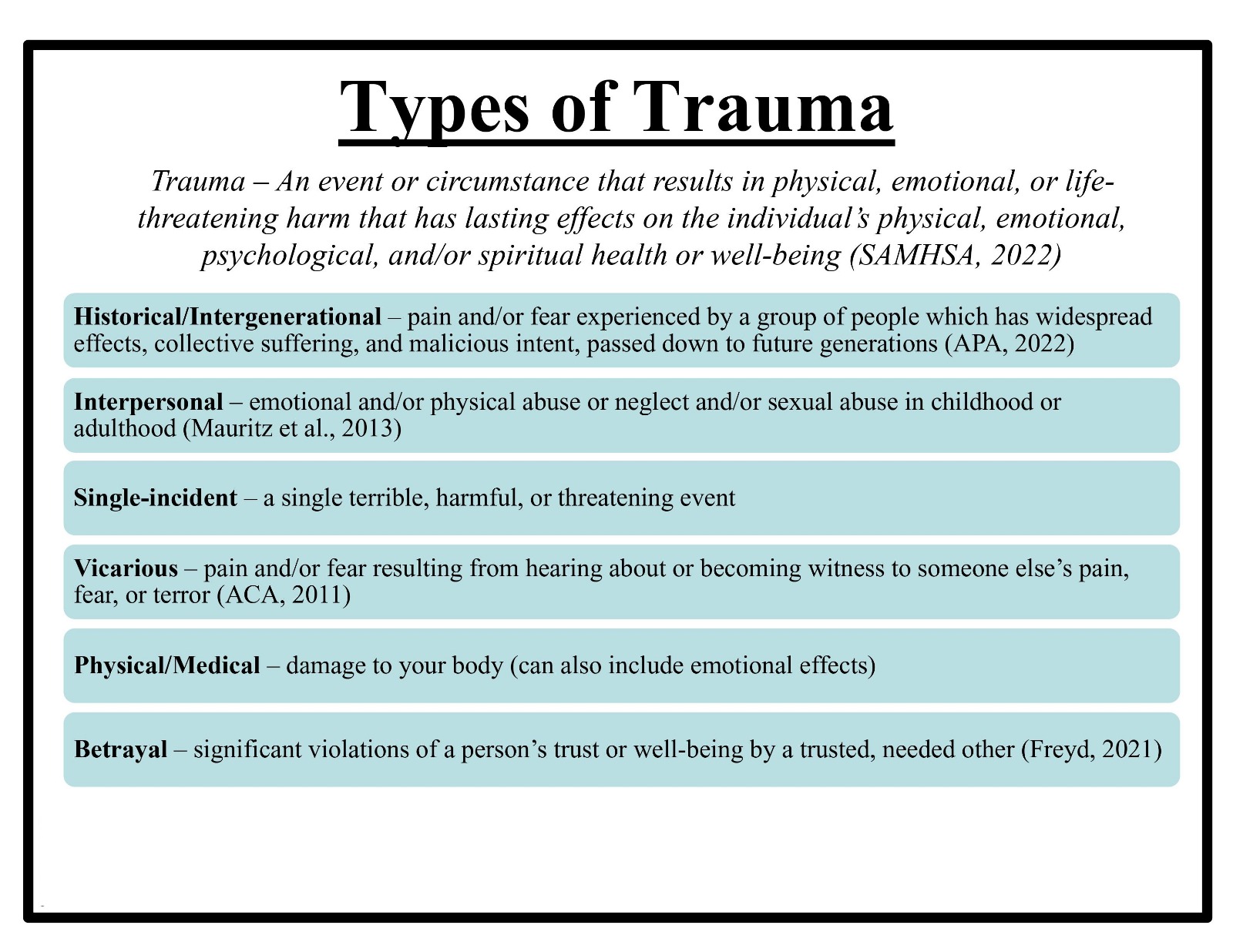
Partner betrayal trauma occurs when an attachment bond is violated through:
This is not relationship conflict.
A rupture in emotional, psychological, and physiological safety.
*Betrayal trauma destabilizes your internal world because safety was lost.*
Your Body’s Immediate Response
When betrayal is discovered; Your entire nervous system reacts
They are neurobiological trauma responses.
*Your nervous system is responding to threat, not weakness.*
Discovery Shock
Discovery often triggers acute trauma responses:
This is survival physiology at work.
*Shock is your body protecting you.*
The Neuroscience Of Betrayal Trauma
This is: Cortisol + adrenaline surges
This is: Attachment alarm system activated
This is: Amygdala activation
This is: Prefrontal cortex overload
This is: Vagus Nerve dysregulation
Your brain is trying to protect you from further harm.
*Your body interprets betrayal as danger.*
*You are not unstable: You are traumatized.*
The Dilemma of Discovery
You may feel both at the same time:
It is trauma.
*Opposite emotions coexist after trauma.*
Your mind may have minimized red flags to preserve stability.
It is protection.
*Your system hid what was too painful to hold at the time.*
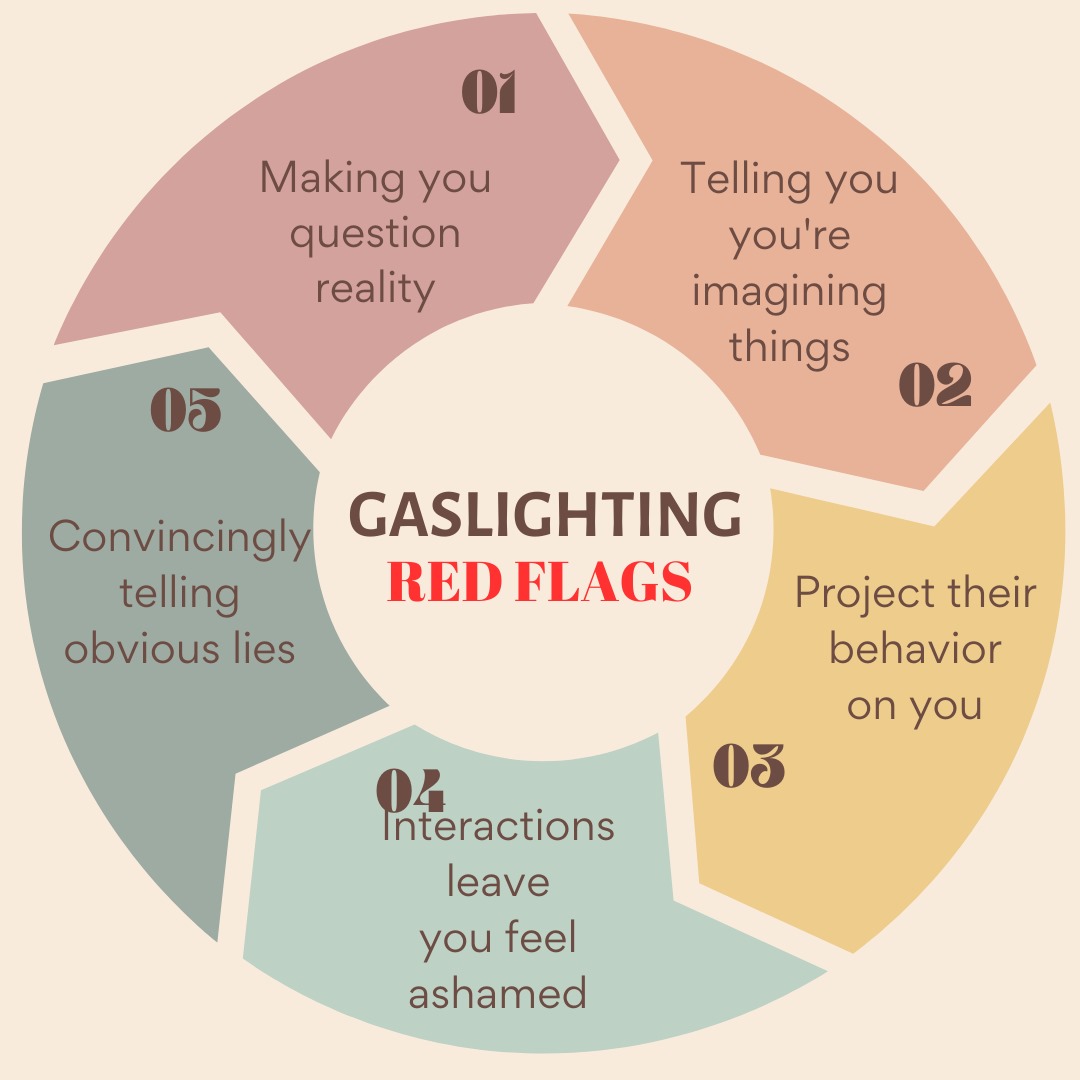
Minimization and denial erode trust in yourself.
It is a trauma response.
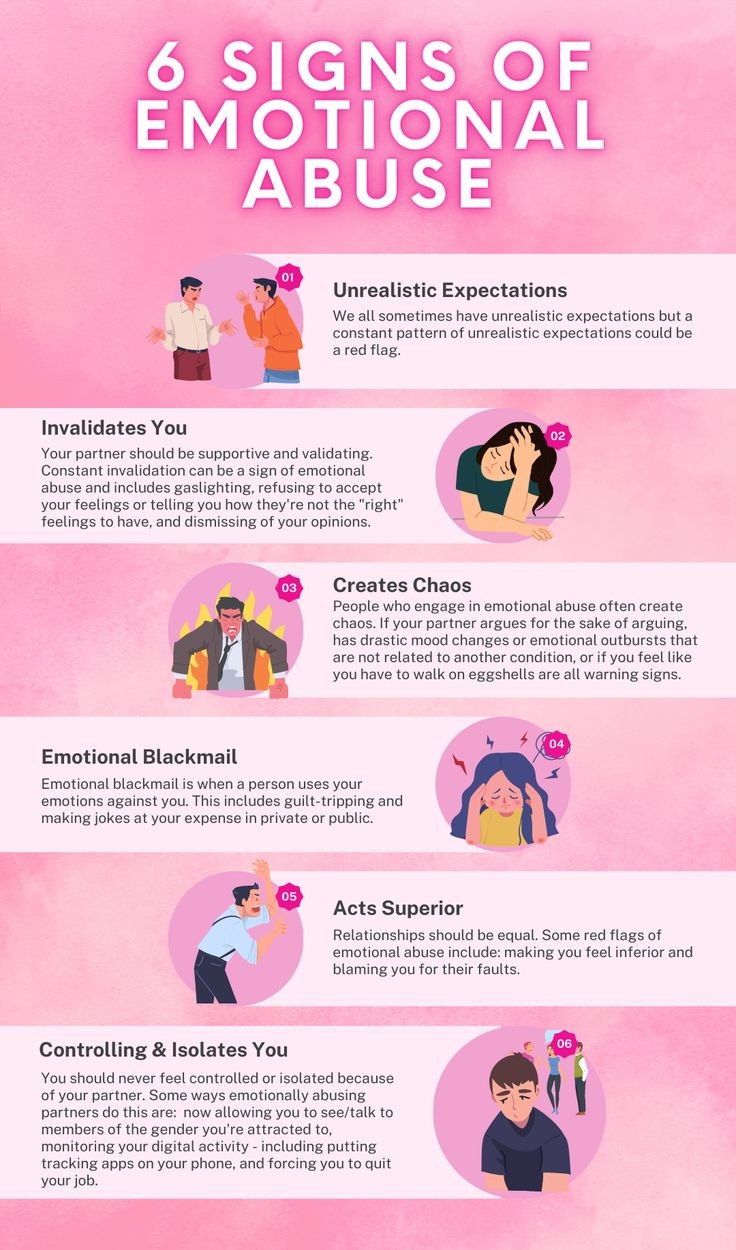
*Gaslighting destabilizes identity and safety.*
Identity Collapse
Betrayal fractures:
Not weak.
*Betrayal wounds identity, not intelligence.*
You may notice anxious, avoidant, or oscillating attachment reactions
Not character flaws.
*Attachment changes reflect trauma.*
Why Women Blame Themselves
Not truth.
*Self-blame is trauma logic, not reality.*
What Therapy Looks Like Here
Therapy focuses on:
*Regulation comes before decisions.*
Our Approach
We offer trauma-informed care including:
*You don’t need answers to begin.*
No
Because trauma responses are neurological.
Yes; hypervigilance is common after betrayal.
*Your reactions are common and treatable.*
Support Is Available
If you’re reading this and thinking,
“This is me”, Let’s talk
You deserve steady and real support
You do not need the full story.
You do not need to know what to do yet.
You do not need to make any decisions today.
If you are in crisis or experiencing an emergency, please call 911 or your local emergency services, or visit the nearest emergency room.
Thrive Beyond Trauma Counseling does not provide crisis or emergency services.