Examples of Boundaries

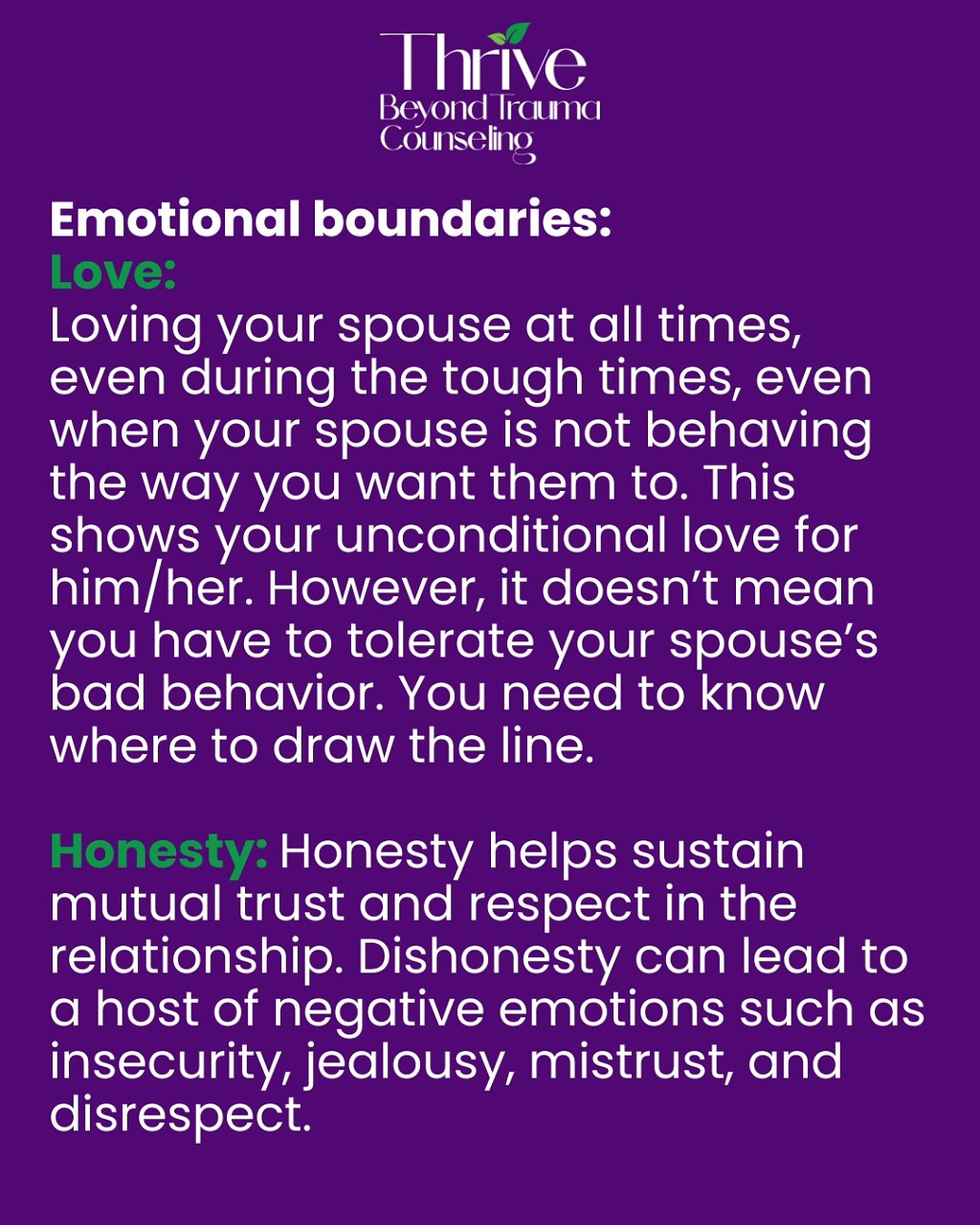
In any relationship, boundaries are not restrictions: they are the foundation of safety, respect, and long-term connection. Whether you’re navigating marriage, healing after betrayal, or simply trying to strengthen your bond, understanding examples of healthy boundaries in relationships can transform how you relate to your partner and yourself. At Thrive Beyond Trauma Counseling, we often see that when boundaries are unclear or absent, relationships begin to feel unsafe, overwhelming, or disconnected. Boundaries are what create emotional clarity and prevent resentment from building over time.

Resistance to Deviations: Protecting the Relationship

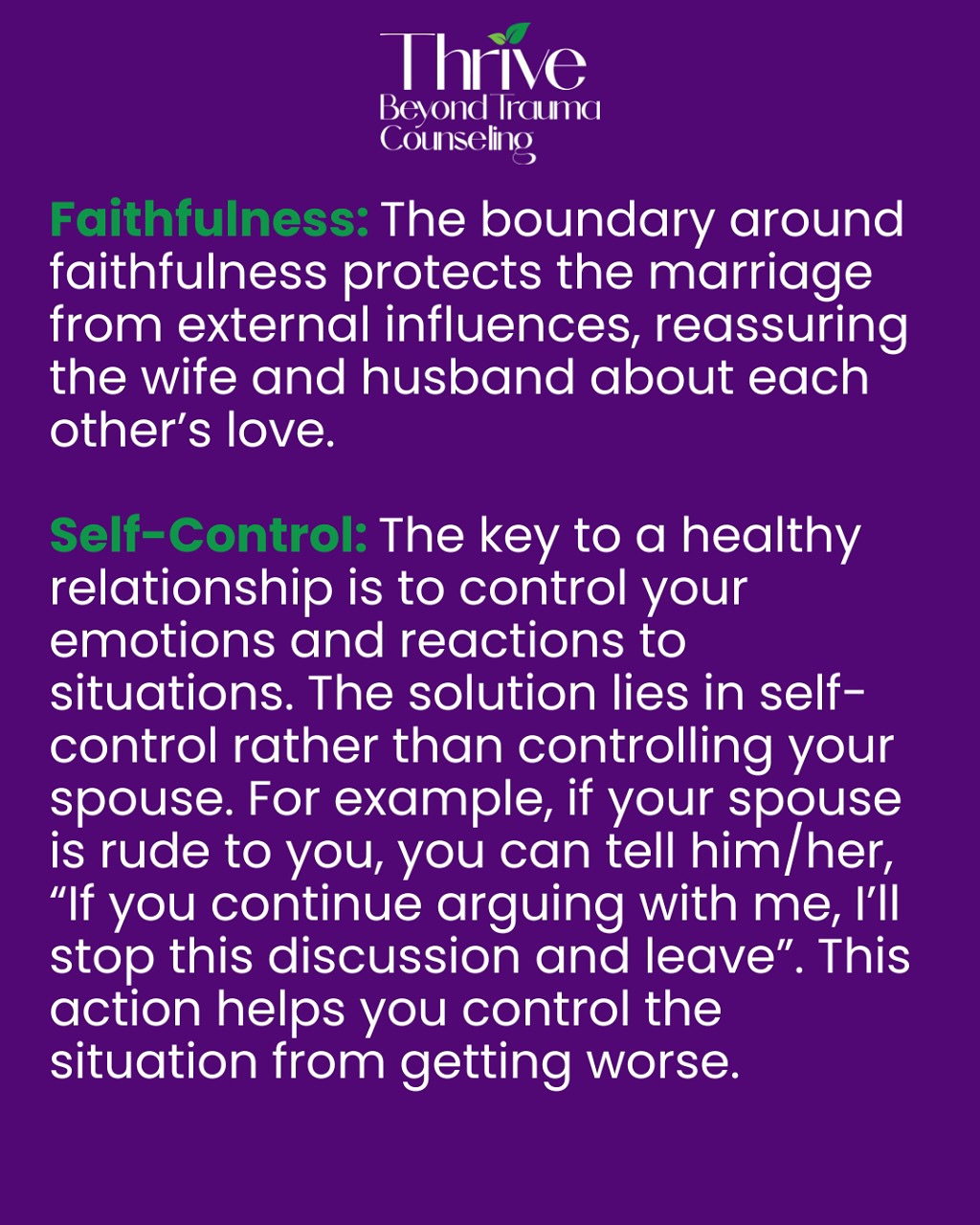
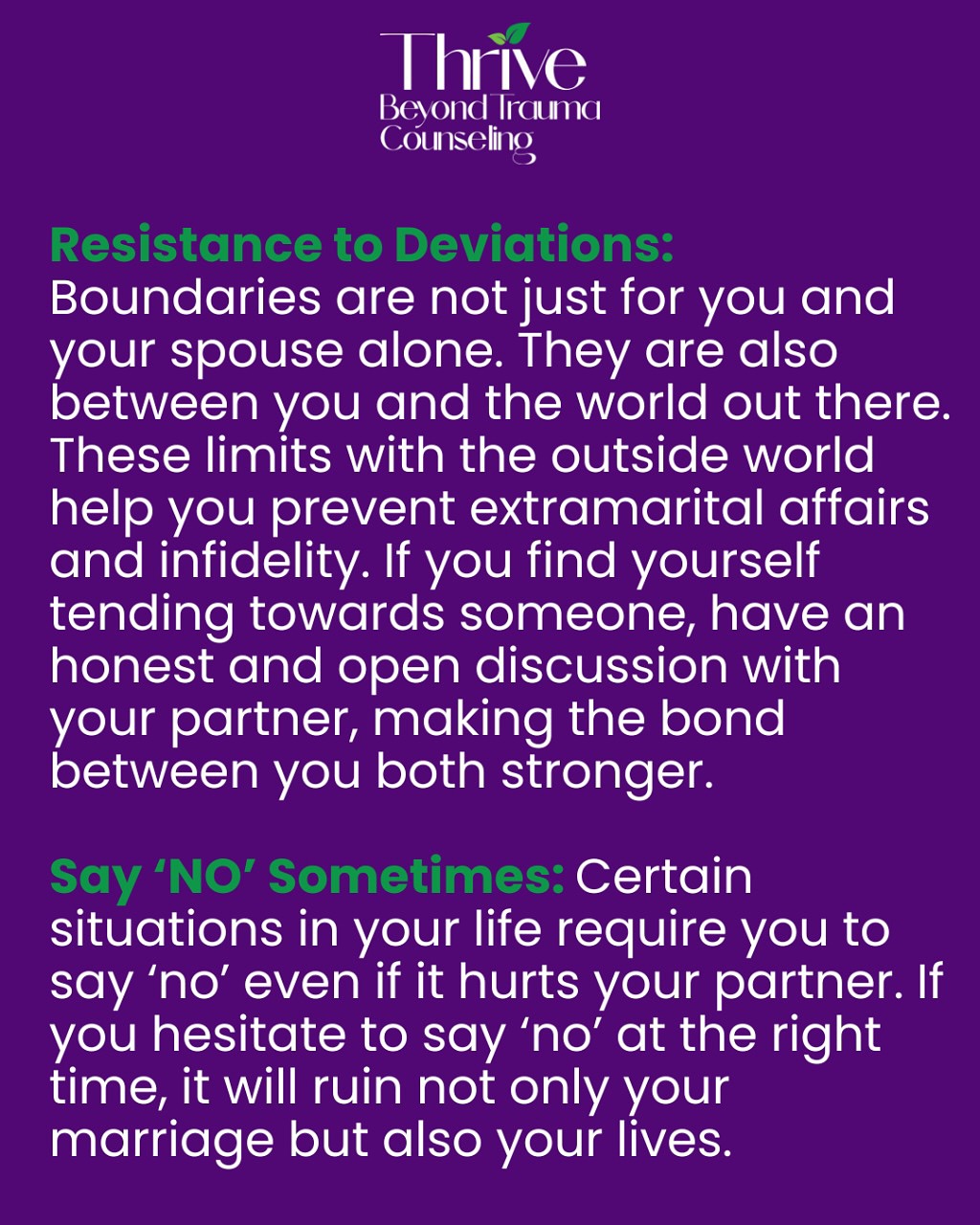
Healthy boundaries are not limited to just you and your partner: they also exist between your relationship and the outside world. These boundaries help protect the relationship from external influences, including emotional or physical infidelity. When you notice yourself leaning toward someone else emotionally or physically, it is important to pause and communicate openly with your partner. Honest conversations strengthen trust and create deeper emotional safety. Boundaries, in this sense, act as a protective layer around your relationship.

Learning to Say No

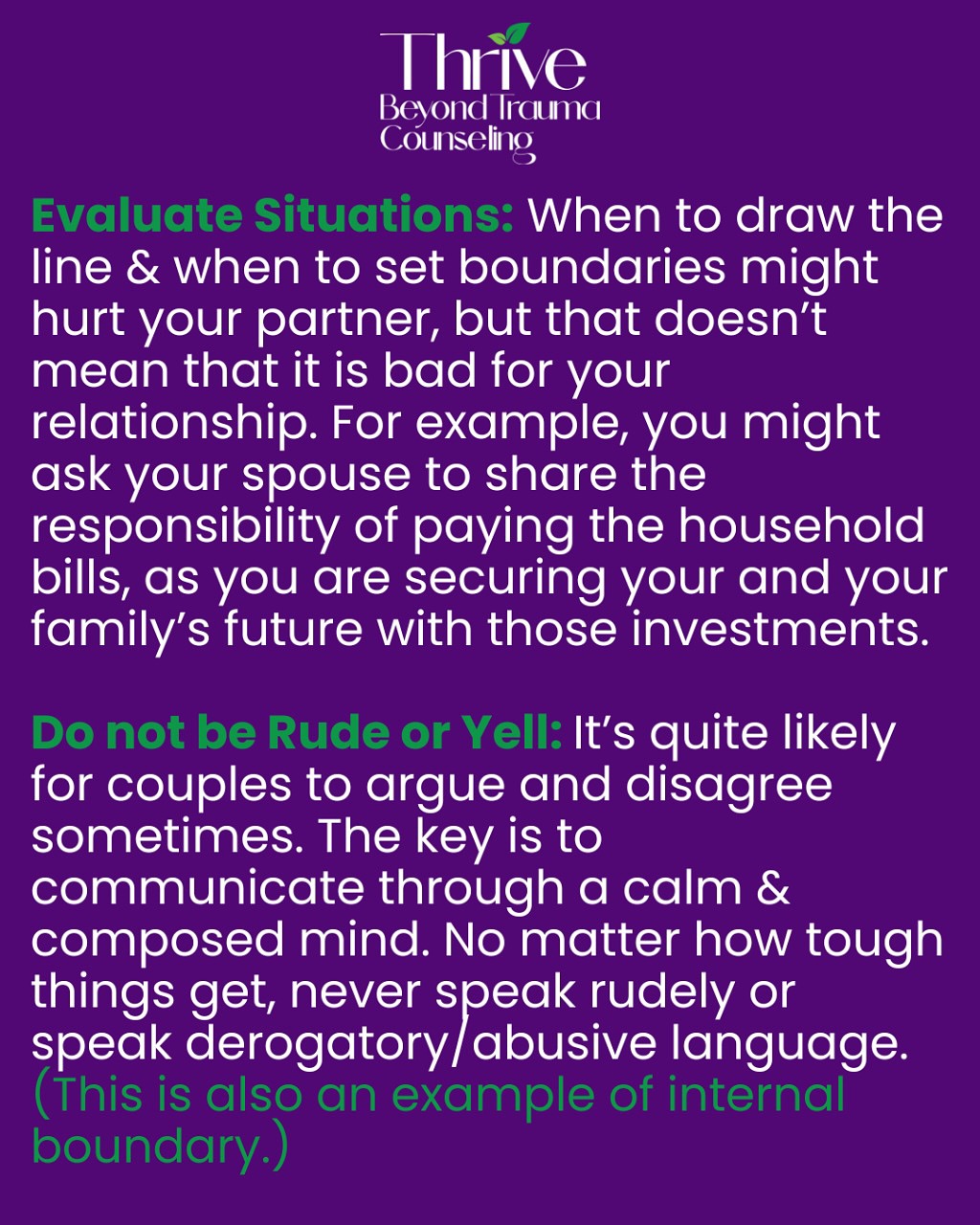
One of the most important aspects of boundary-setting is the ability to say “no.” Many individuals struggle with this because they fear hurting their partner or creating conflict. However, avoiding necessary boundaries often leads to deeper damage over time. Saying “no” at the right moment protects both individuals and the relationship. It ensures that decisions are made with awareness rather than pressure or avoidance. Healthy relationships are not built on constant agreement but on honest and respectful limits.

Change Yourself, Not Control Others

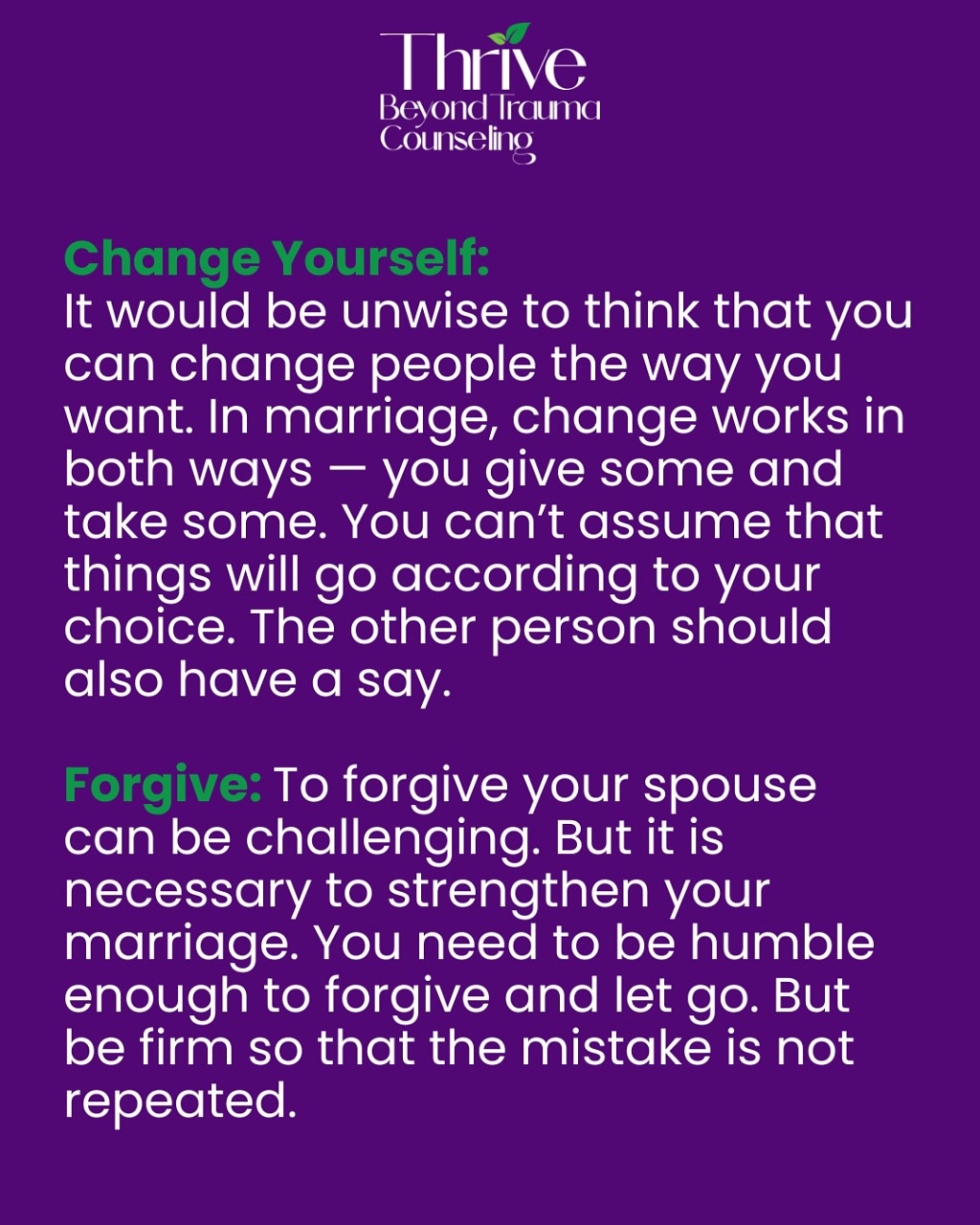
A common misconception in relationships is the belief that we can change our partner. In reality, healthy boundaries focus on self-regulation rather than controlling someone else’s behavior. Growth in relationships happens when both individuals take responsibility for their actions. You can express your needs, but you cannot force change. Boundaries help you stay grounded in your values while allowing space for your partner’s individuality.

The Role of Forgiveness with Boundaries

Forgiveness is essential in long-term relationships, but it must exist alongside boundaries. Forgiving does not mean tolerating repeated harm. Instead, it involves letting go of resentment while remaining firm about what is acceptable. This balance between compassion and firmness creates emotional maturity in relationships. It allows healing without compromising safety.

Communication as a Core Boundary

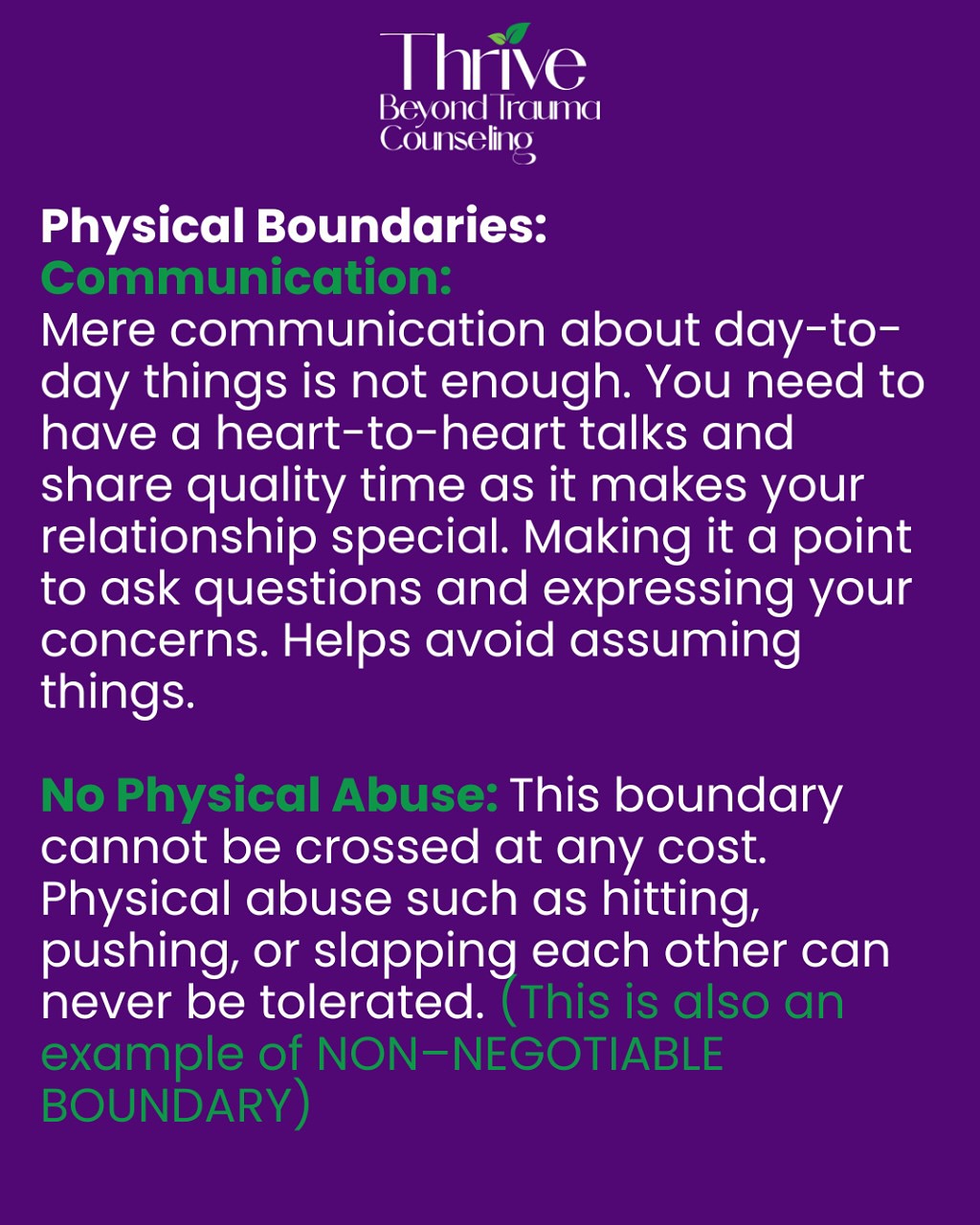
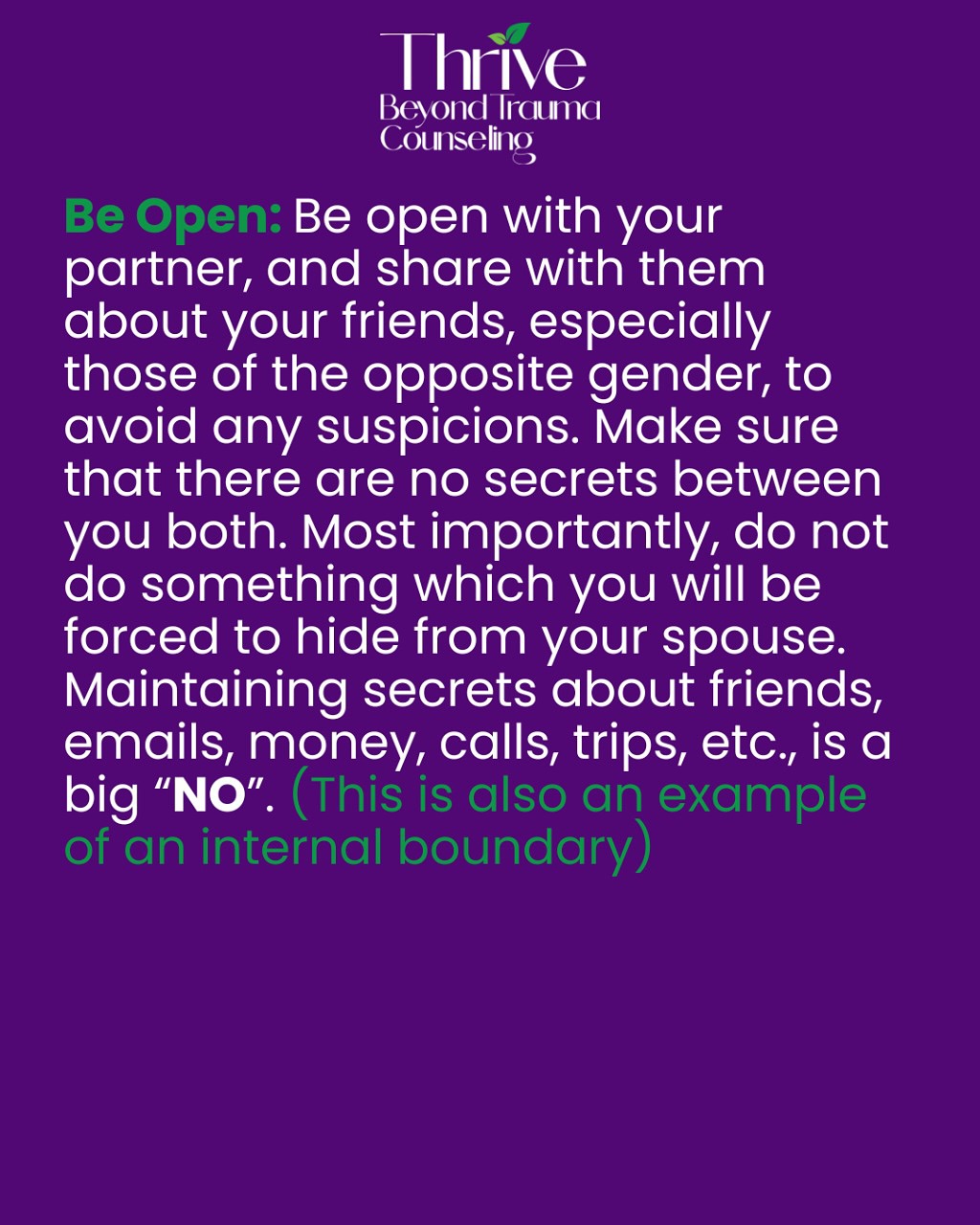
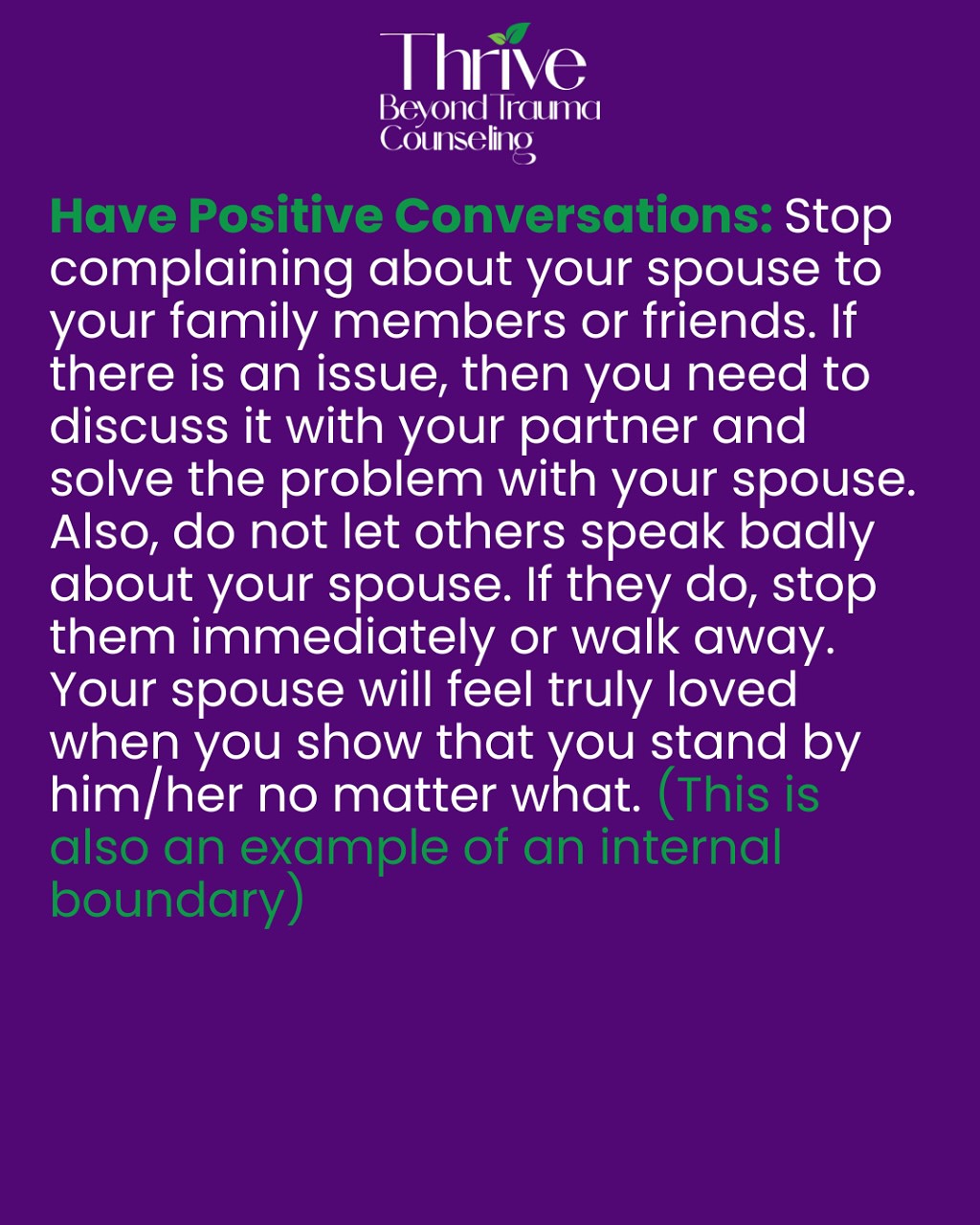
Healthy relationships require more than surface-level conversations. True connection comes from open, honest, and respectful communication. Discussing concerns directly with your partner rather than involving third parties builds trust and reduces misunderstandings. It is equally important to maintain internal boundaries, such as not allowing others to speak negatively about your partner. Communication boundaries create emotional safety and reinforce mutual respect.

Physical and Emotional Boundaries

Boundaries are not only emotional: they are also physical and behavioral. Non-negotiable boundaries, such as zero tolerance for physical abuse, are essential. Any form of hitting, pushing, or harm must never be accepted. These boundaries are critical for safety and must be upheld without compromise. Emotional boundaries, such as honesty and loyalty, are equally important. Being transparent with your partner, avoiding secrecy, and maintaining trust are key elements of a healthy relationship.

Self-Control and Emotional Regulation

One of the strongest boundaries you can develop is self-control. Instead of trying to manage your partner’s behavior, focus on regulating your own responses. For example, choosing to step away from a heated argument instead of escalating it is a powerful boundary. It prevents further damage and allows space for calm, constructive communication. Self-control fosters emotional stability and strengthens the relationship over time.

Conclusion: Boundaries Create Freedom, Not Distance

Healthy boundaries are not about creating distance: they are about creating safety. They allow both partners to feel respected, valued, and secure within the relationship. When boundaries are clear, communication improves, trust deepens, and emotional connection becomes more sustainable. Whether you are rebuilding after betrayal or simply strengthening your relationship, boundaries are the foundation of lasting change.

At Thrive Beyond Trauma Counseling, we help individuals and couples build healthy boundaries that support trust, emotional safety, and long-term connection. If you’re struggling with relationship challenges or want to create stronger, more secure bonds, reach out to us and begin your healing journey today.

Address: Suite C, 37923 W. 12 Mile Rd, Farmington Hills, MI

Phone: (248) 392-3733

FOLLOW US ON

If you are in crisis or experiencing an emergency, please call 911 or your local emergency services, or visit the nearest emergency room.

Thrive Beyond Trauma Counseling does not provide crisis or emergency services.

Scroll to top